
How Preflop Strategy Is the Solution to Your Poker Losses
Once you understand that preflop decisions drive most recreational losses, the solution becomes clear: fix the decisions that happen in every single hand.
Start trainingThe Problem Was Always Preflop
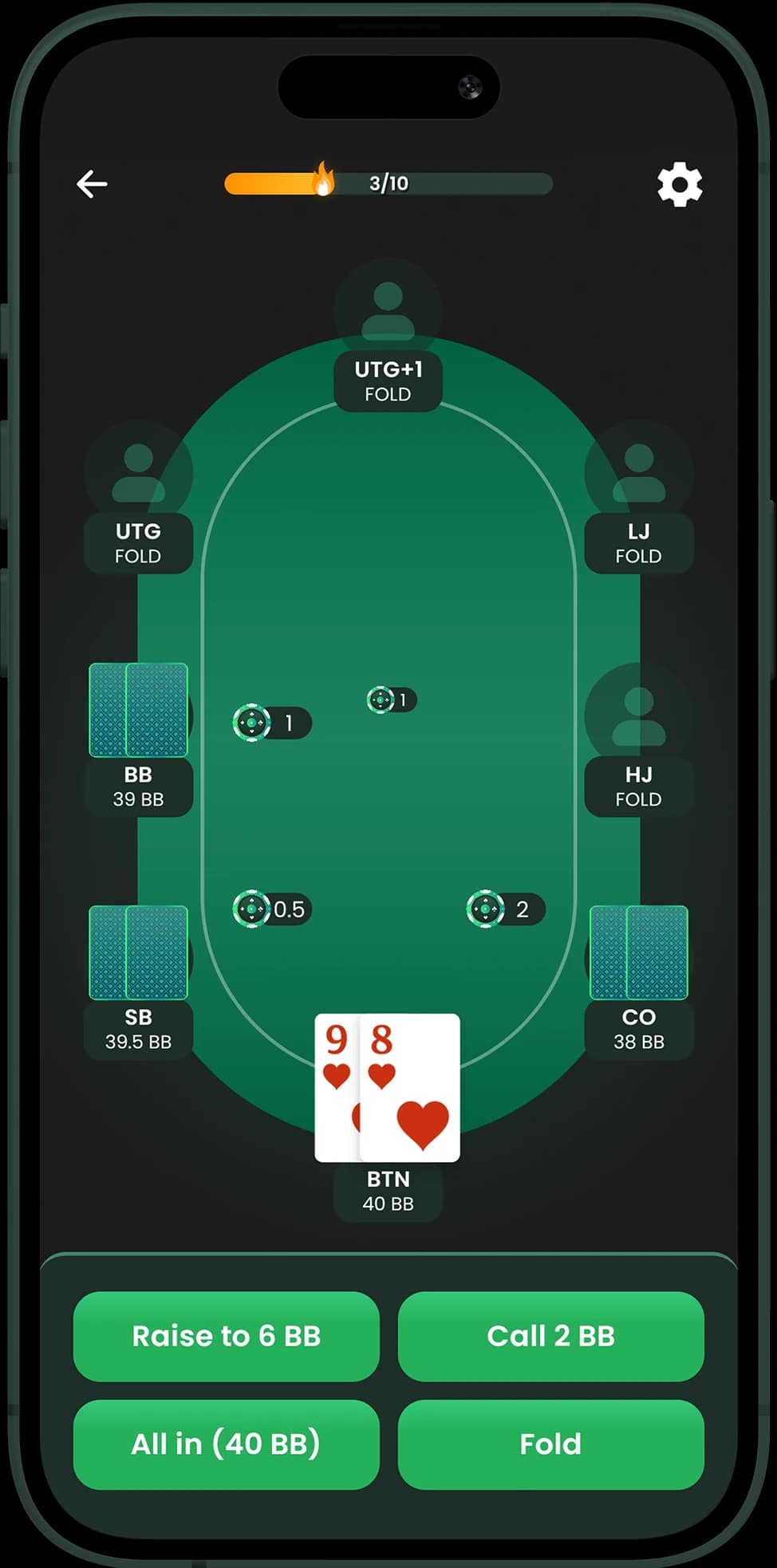
Every poker hand begins preflop. You make a preflop decision in 100% of hands. You make a river decision in roughly 10-15% of hands. This mathematical reality means preflop errors have 6-10x more impact on win rate than river errors of equivalent magnitude. Players who focus on spectacular postflop scenarios while ignoring preflop fundamentals are optimizing the wrong end of the decision tree. Fixing preflop first doesn't just help preflop — it improves every subsequent street by ensuring you enter pots with the right hands from the right positions.
Start training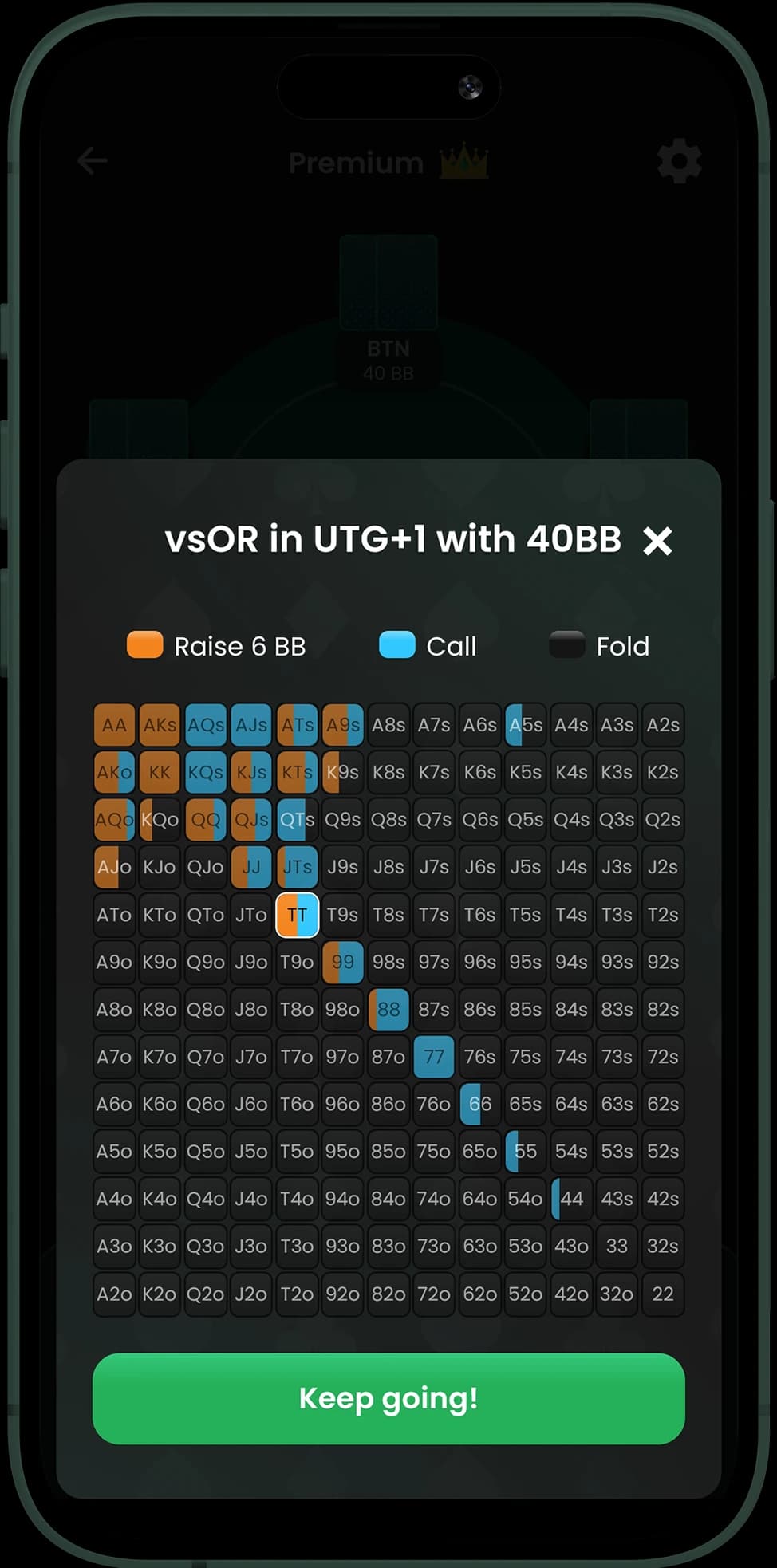
How Position-Specific Ranges Fix the Core Problem
The mechanical solution to most losing patterns
The core of preflop strategy is position-specific hand selection: different hands played differently from each seat at the table. Under the gun (UTG), you play 12-15% of hands — only the strongest. From the button, you play 40-50% — adding speculative hands that benefit from position. This isn't arbitrary — it's mathematically derived from the information advantage position provides. Learning these ranges by position eliminates the most common losing pattern: playing too many hands from the wrong seats.
The Raise-or-Fold Principle: Why Calling Is Usually Wrong
The single attitude shift that improves preflop immediately
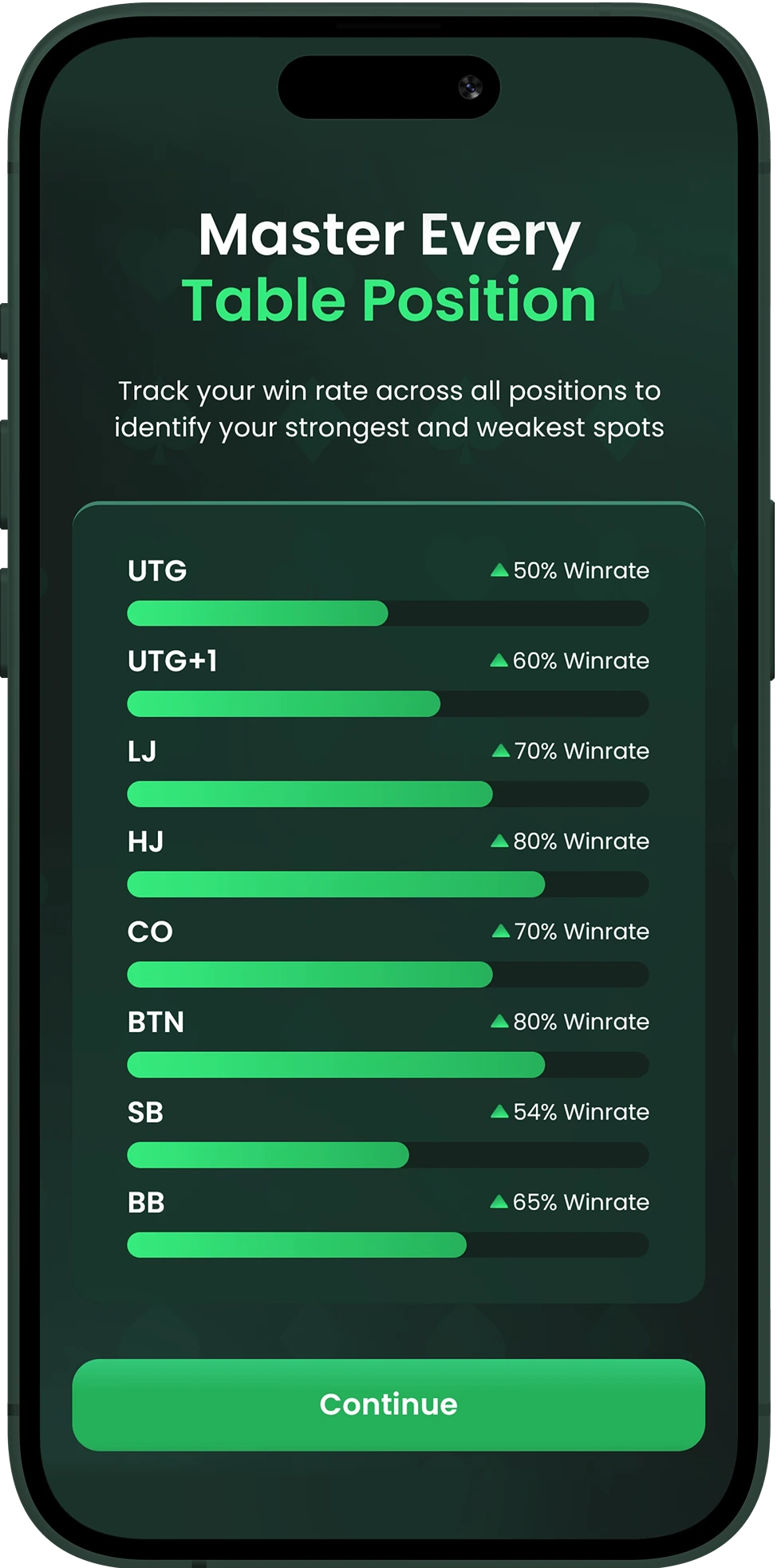
Most losing players are chronic callers. They call opens instead of raising, call 3-bets instead of folding or 4-betting, and limp instead of raising. This passive approach is -EV for several reasons: it allows opponents to see cheap flops with speculative hands, it doesn't protect your equity, it gives away information, and it fails to maximize value when ahead. Shifting to a raise-or-fold mentality — raise with strong hands, fold with weak ones, minimize calling except in specific spots — is one of the highest-impact adjustments recreational players can make.
3-Betting: The Weapon Most Recreational Players Never Use
Why re-raising preflop is the most underused tool in recreational poker
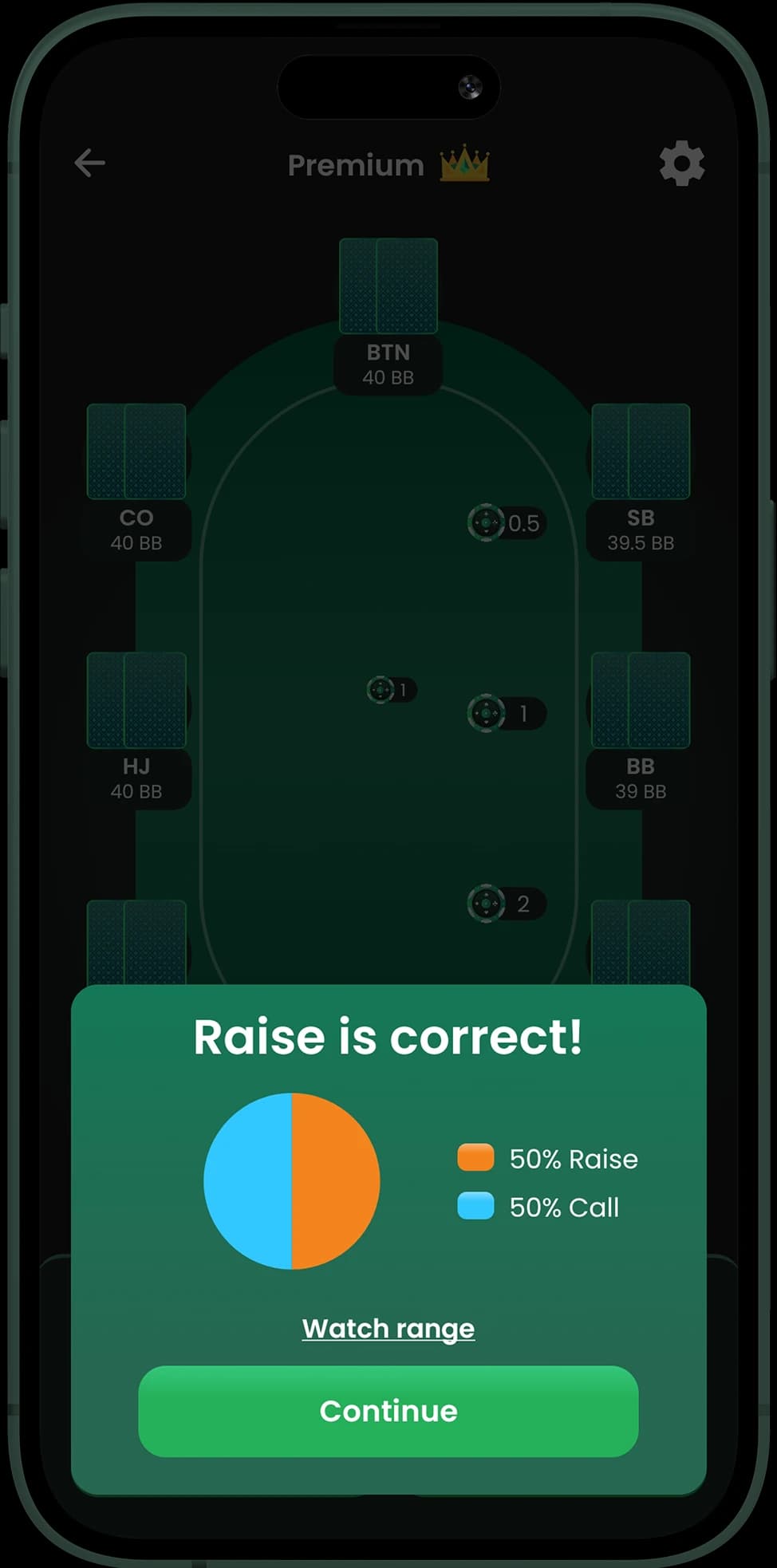
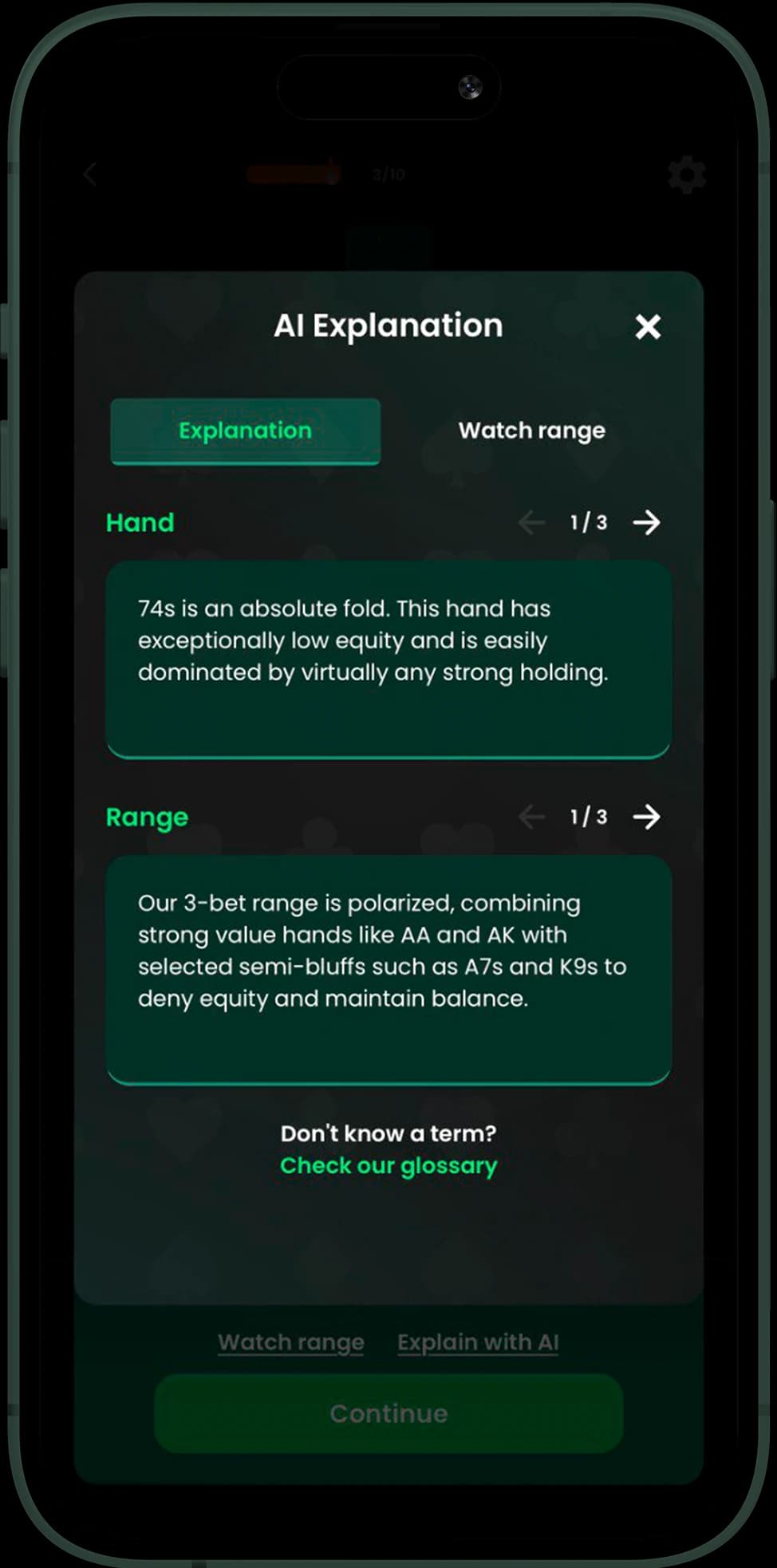
3-betting — re-raising a raise — is the most underused weapon in recreational poker. Most players only 3-bet with AA and KK. But a balanced 3-betting range should include strong value hands (QQ+, AK) and selected bluffs (hands that benefit from fold equity and play well when called). This balanced approach accomplishes several things: it builds bigger pots with strong hands, it denies equity to speculative hands, and it makes you unpredictable. Players who never 3-bet are exploitable — opponents can call their opens freely knowing no 3-bet is coming.
The Compound Effect of Better Preflop: Better Spots Downstream
How preflop improvement makes everything else easier
The compounding benefit of better preflop strategy is often underestimated. When you enter pots with stronger hands from better positions, your postflop decisions become easier: you have more equity in the pots you're in, you're less often in dominated situations, and you're frequently acting with positional advantage. Players who fix their preflop game often report that postflop 'feels easier' — not because postflop strategy changed, but because they're in better spots to begin with. Fix the foundation, and the structure above it becomes more stable.
Start training
Preflop Strategy FAQ
Start training
Fix the Root Cause of Your Losses
Download PreflopAI and implement preflop strategy that stops the losses from the source.