
7 Preflop Mistakes That Are Costing You Money Every Session
Seven specific preflop errors account for most recreational player losses. Identify which ones you're making and understand exactly how to fix them.
Start trainingMistake #1 and #2: Limping and Over-Calling
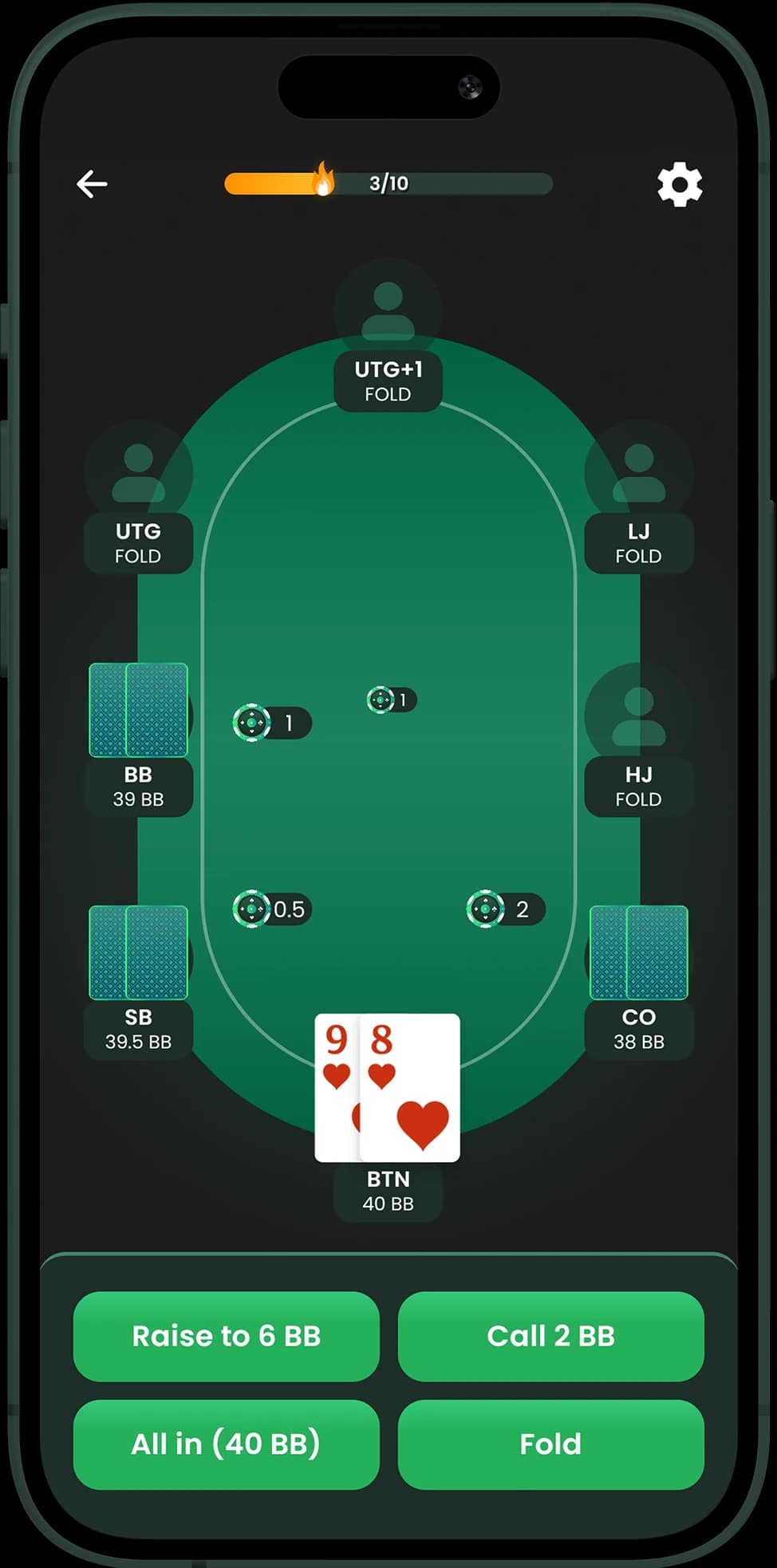
Limping (just calling the big blind without raising) and flat-calling opens with marginal hands are the most common signs of a losing player. Both give opponents a free or cheap opportunity to see a flop with speculative hands, fail to build the pot when you have the best hand, and leave you out of position with a hand that's difficult to play. The fix: if a hand is worth playing, raise it. If it's not worth raising, strongly consider folding it. Hands that can't be played aggressively preflop are usually a drain on win rate.
Start training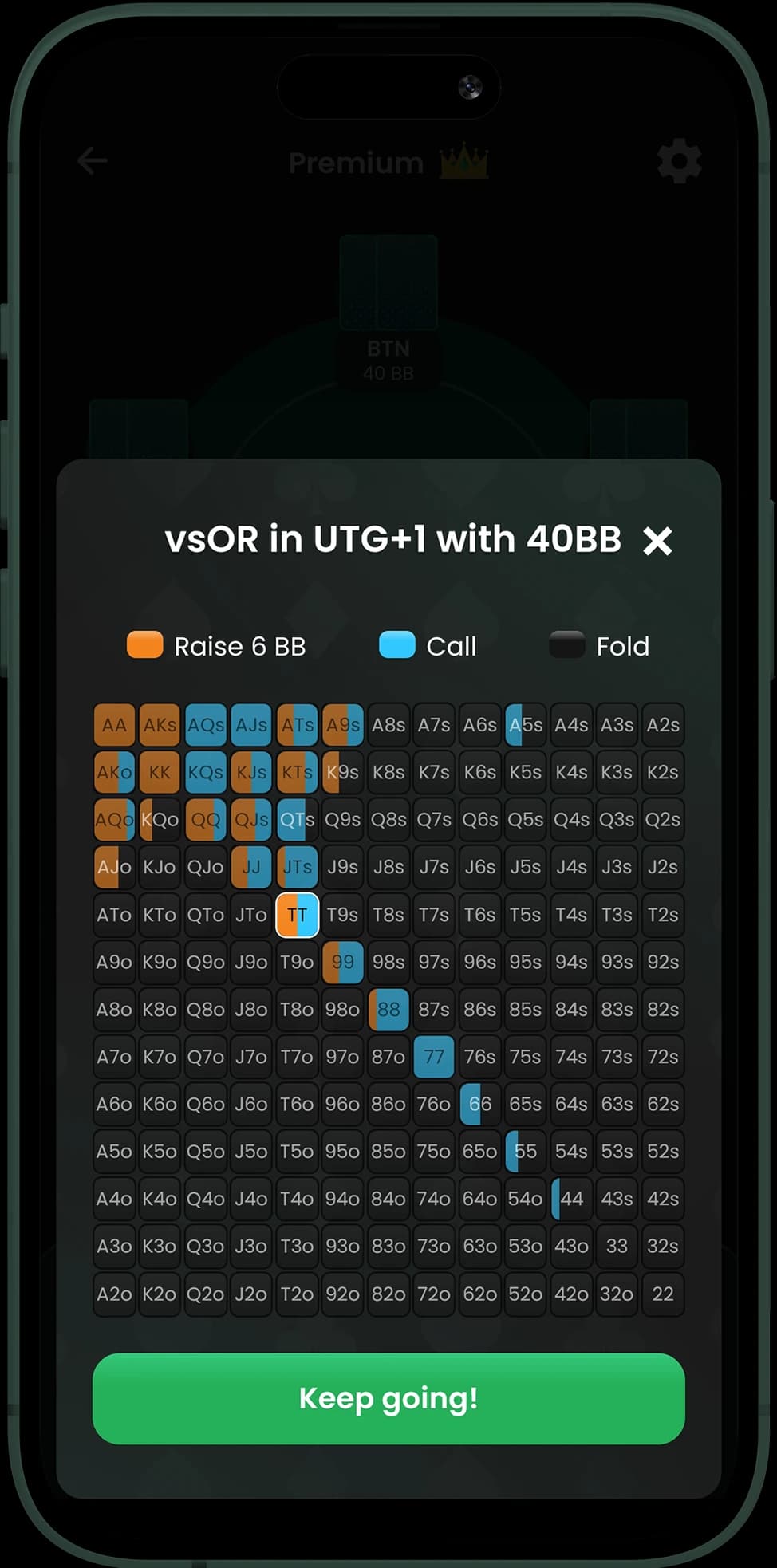
Mistake #3 and #4: Position Blindness and Ignoring Stack Depth
The two contextual mistakes that multiply every other error
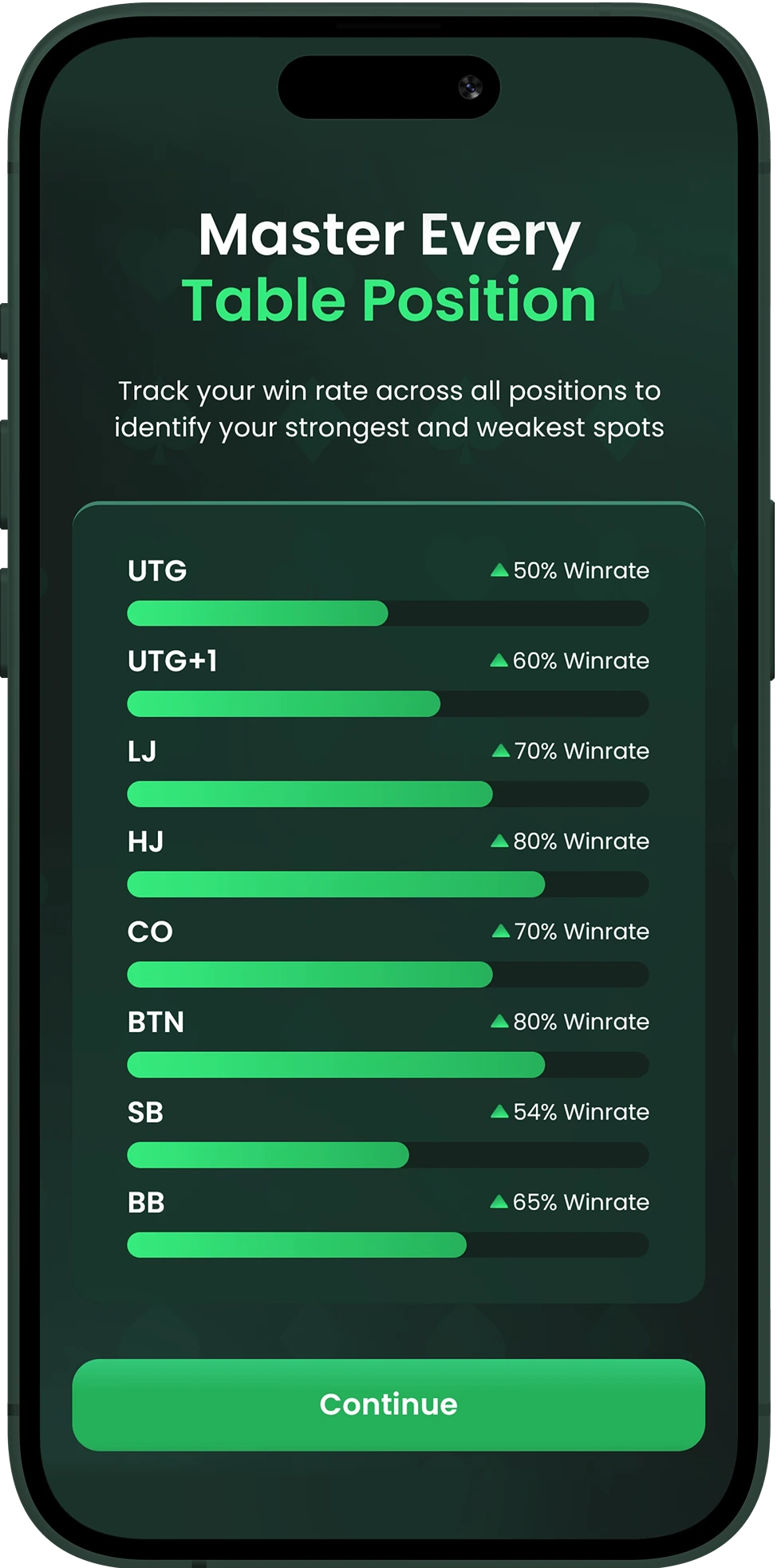
Playing the same range regardless of position is one of the most expensive mistakes in poker. Your UTG range should be dramatically tighter than your button range — and most recreational players don't implement this correctly. Stack depth is equally critical: with 20bb effective stacks in a tournament, your preflop strategy should shift almost entirely to push-or-fold. Speculative hands lose value with shallow stacks; high-card hands gain. Ignoring stack depth creates systematic errors across tournament play.
Mistake #5: Not 3-Betting Strong Enough Hands
The value leak that costs you in every session
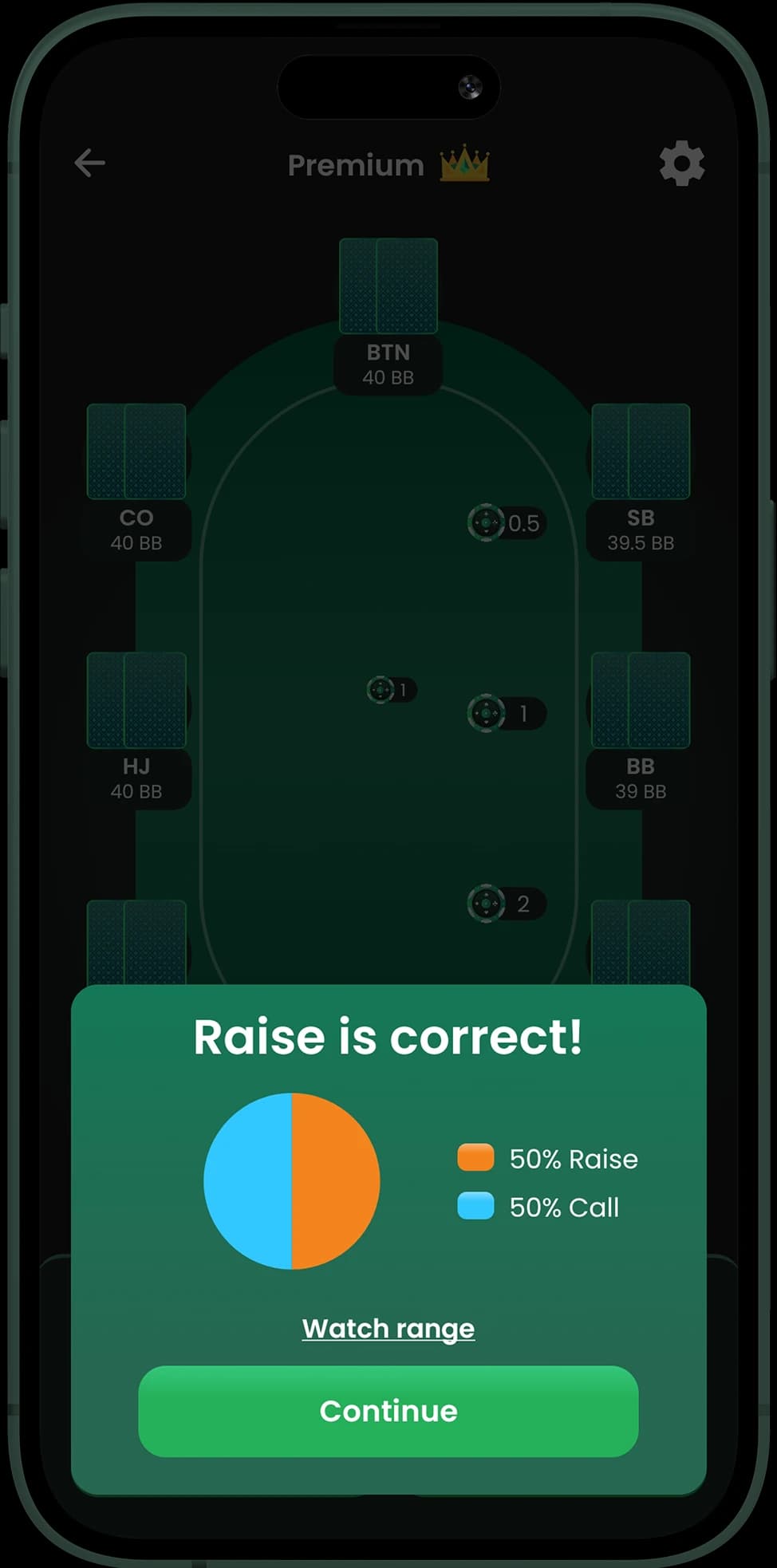
Most recreational players call with QQ, JJ, and AK in situations where 3-betting is significantly more profitable. By calling, they allow the opener to see a cheap flop, fail to build the pot when ahead, and often find themselves in awkward spots postflop. A simple rule: QQ+ and AK should almost always be 3-bets, not calls, against opens from all positions. The value captured by 3-betting these hands adds up to a meaningful number of big blinds per 100 hands over time.
Mistake #6: Calling 3-Bets Too Wide
The mistake that creates the worst postflop spots
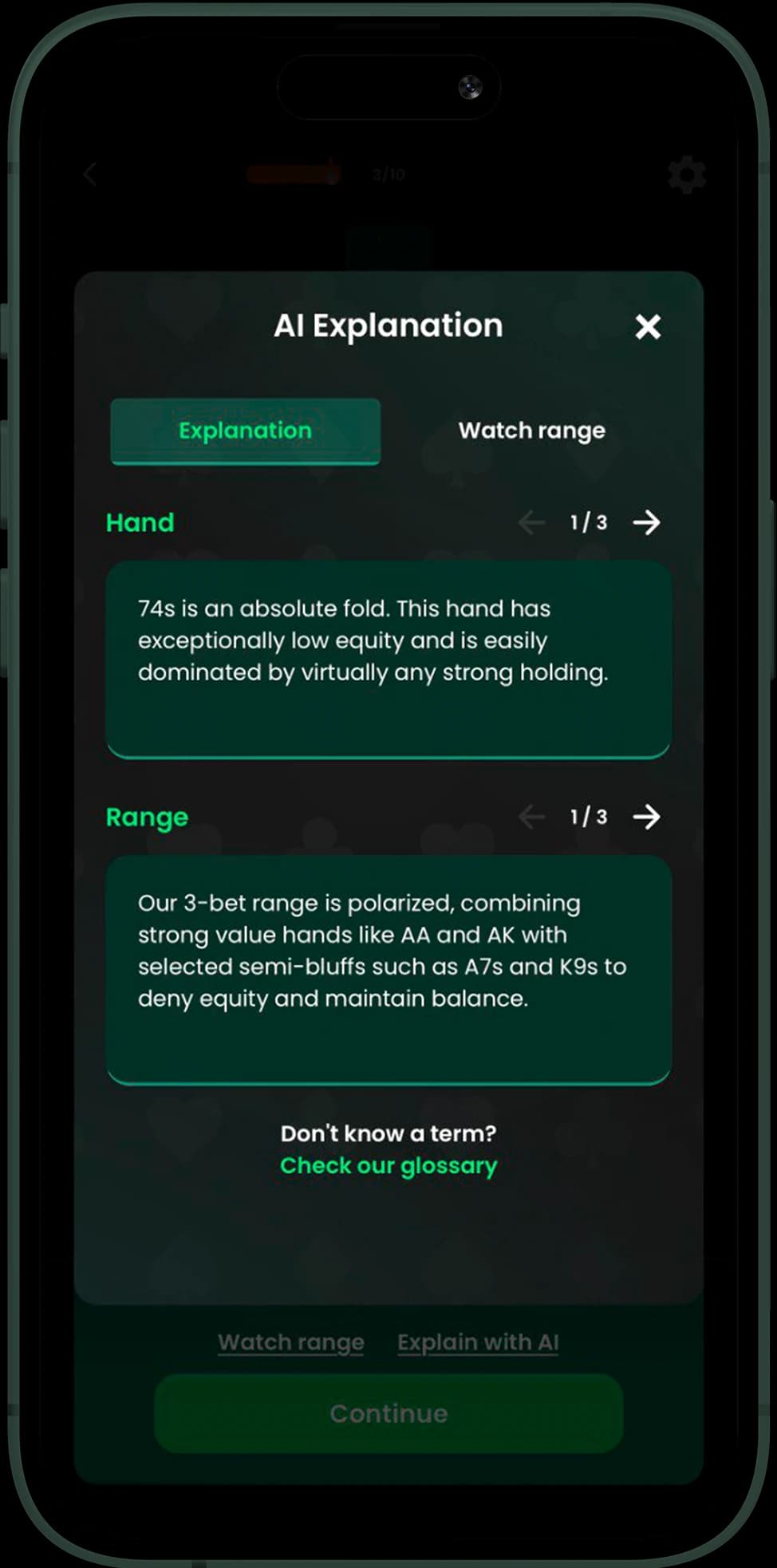
When facing a 3-bet, most recreational players call too wide — playing hands like KQo, JTs, and small pairs that are -EV calls against typical 3-bet ranges. The problem isn't the hand itself; it's that calling a 3-bet with marginal hands creates difficult postflop decisions out of position against a range that's stronger than yours. The fix: tighten your calling range significantly against 3-bets. Against a tight 3-bettor, call with QQ+, AK, and perhaps JJ and AQ. Against a looser 3-bettor, add hands back carefully.
Mistake #7: Failing to Adjust to Game Format
Why cash game strategy fails in tournaments and vice versa
Cash game and tournament preflop strategy differ significantly. In tournaments, ICM pressure changes which hands are profitable — near the bubble, folding hands you'd normally play is often correct because survival equity exceeds chip equity. Short-stack tournament play (under 20bb) requires near-pure push-or-fold strategy. Playing cash game ranges in tournaments with shallow stacks is a systematic error that costs tournament equity every time. Knowing which format you're playing and applying the appropriate strategy is a fundamental skill most recreational players haven't developed.
Start training
Preflop Mistakes FAQ
Start training
Fix All Seven Mistakes with Structured Training
Download PreflopAI and practice the correct preflop decisions that eliminate these costly mistakes.