
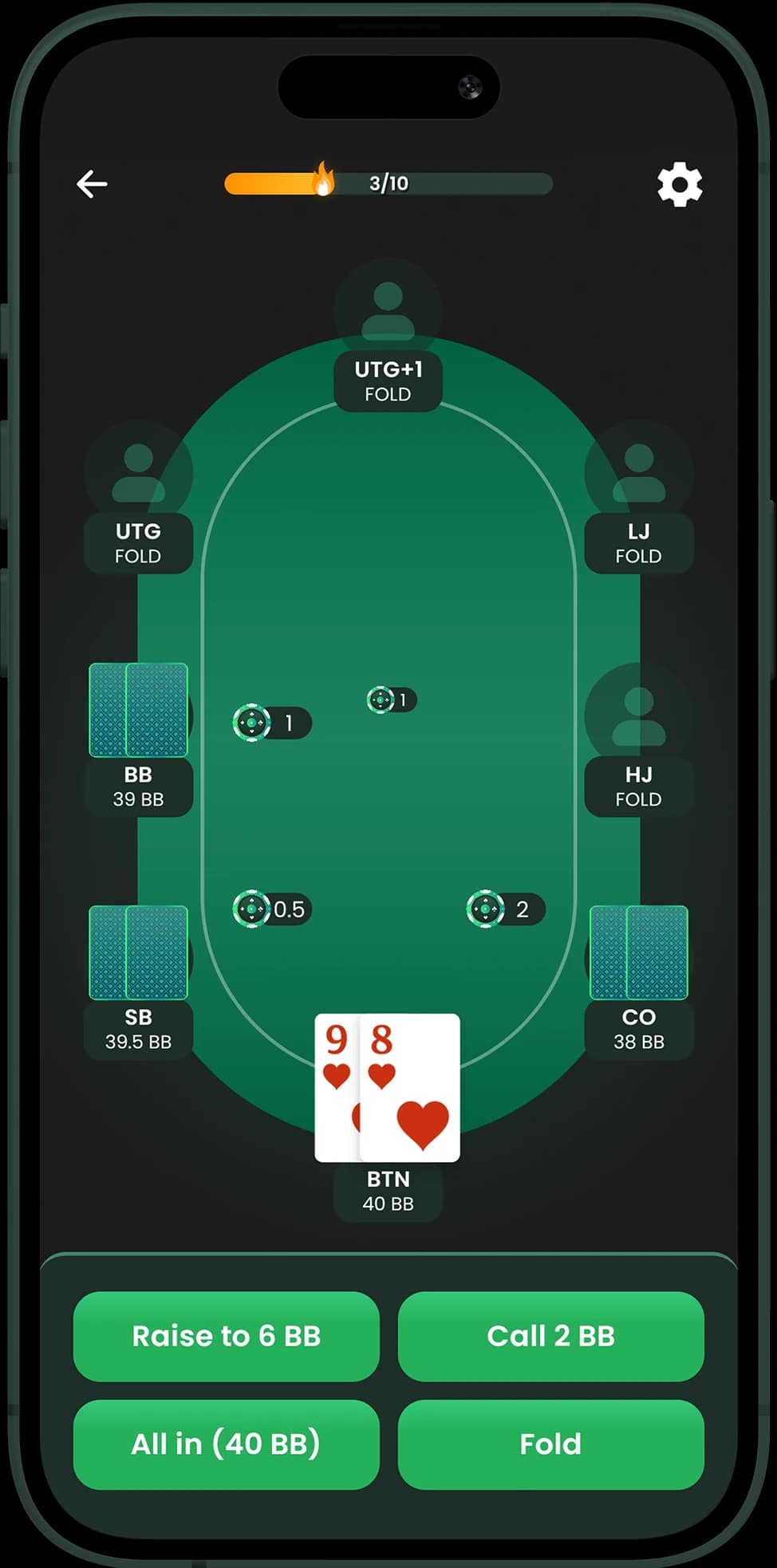
Why Your Poker Bankroll Keeps Shrinking
Bankroll management is important — but if your bankroll keeps disappearing even at low stakes, the problem isn't how you manage money. It's how you play hands.
Start trainingThe Bankroll Management Myth
The standard advice for struggling poker players is 'move down in stakes' and 'practice better bankroll management.' This advice isn't wrong, but it treats a symptom rather than the cause. Moving from $2/$5 to $1/$2 reduces your risk of ruin — but if you're making systematic strategic errors, you'll still be a losing player at lower stakes. A leaky strategy loses money at every limit. The bankroll shrinks because the play is losing, not because the stakes are wrong.
Start training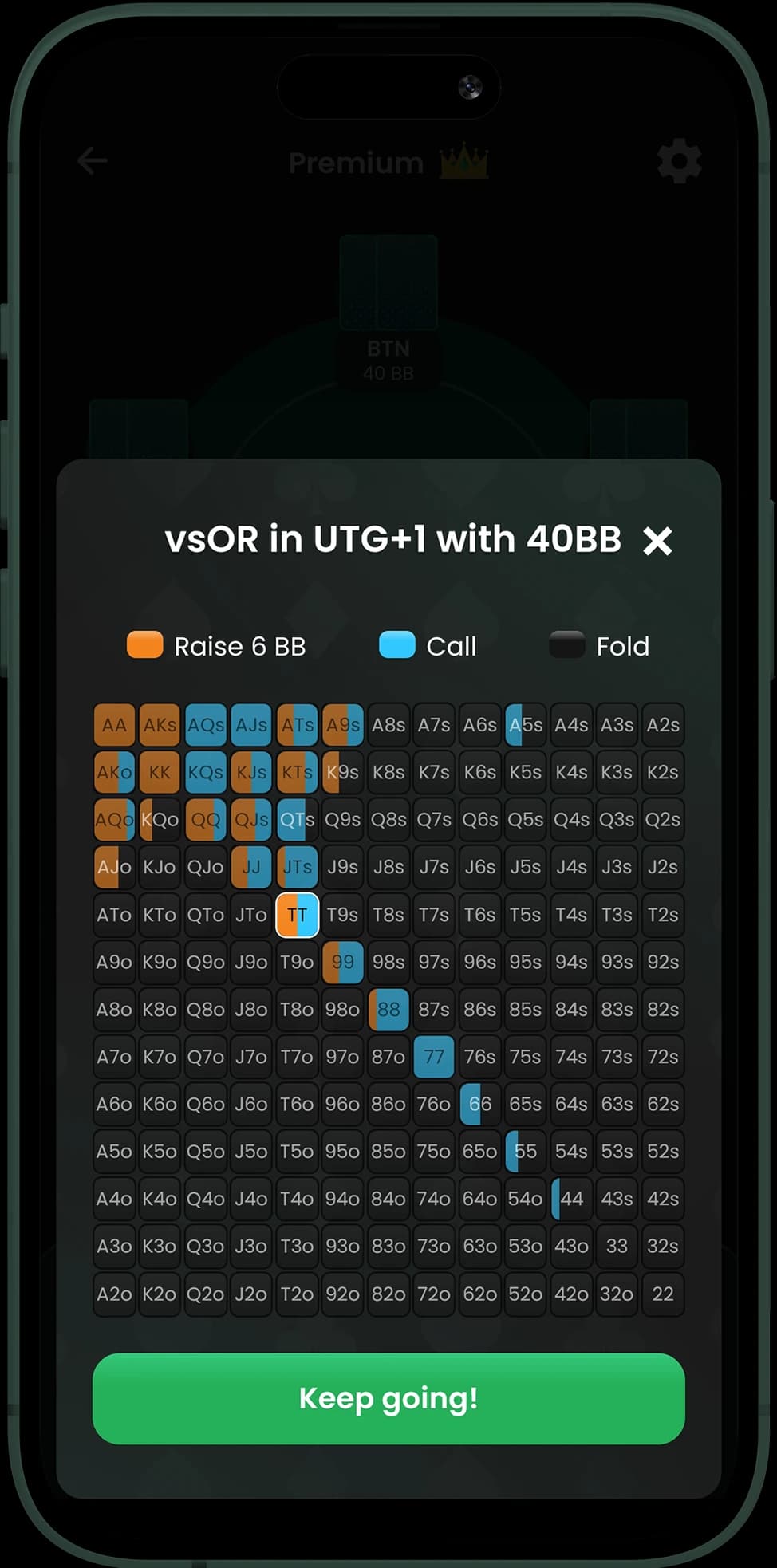
The Real Reason Your Bankroll Doesn't Grow
Expected value: the concept that determines everything
Every poker decision has an expected value — a mathematical average outcome over many repetitions. Positive EV decisions grow your bankroll over time. Negative EV decisions shrink it. Most recreational players make dozens of -EV decisions per session without knowing it: calling opens from out of position with marginal hands, limping instead of raising, playing too wide from early position. Each decision looks innocuous. Collectively, they produce the graph every recreational player dreads: a slow, steady decline.
How to Tell If Strategy (Not Variance) Is Shrinking Your Bankroll
The difference between a downswing and a leak
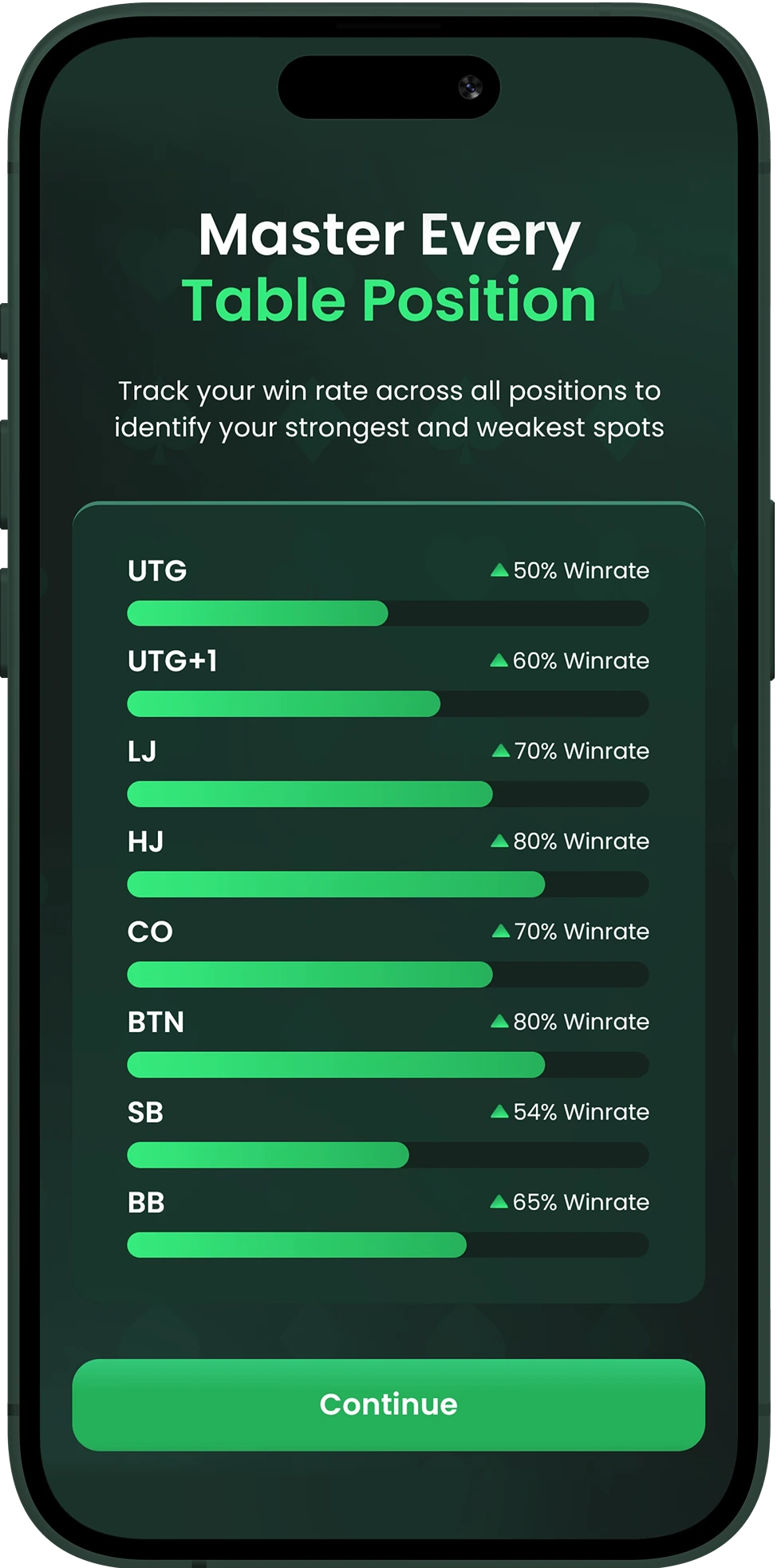
Downswings from variance typically reverse over time. Strategic losses don't — they persist across sessions, stakes, and environments. Signs that strategy is your problem: you lose consistently over 20,000+ hands, you struggle at multiple stake levels, you lose money in live and online games despite different player pools. Variance doesn't follow you everywhere. Bad strategy does. If your losses are consistent and persistent, they're almost certainly strategic.
The Preflop Tax: What Every Hand You Shouldn't Play Costs You
Calculating the real cost of loose preflop play
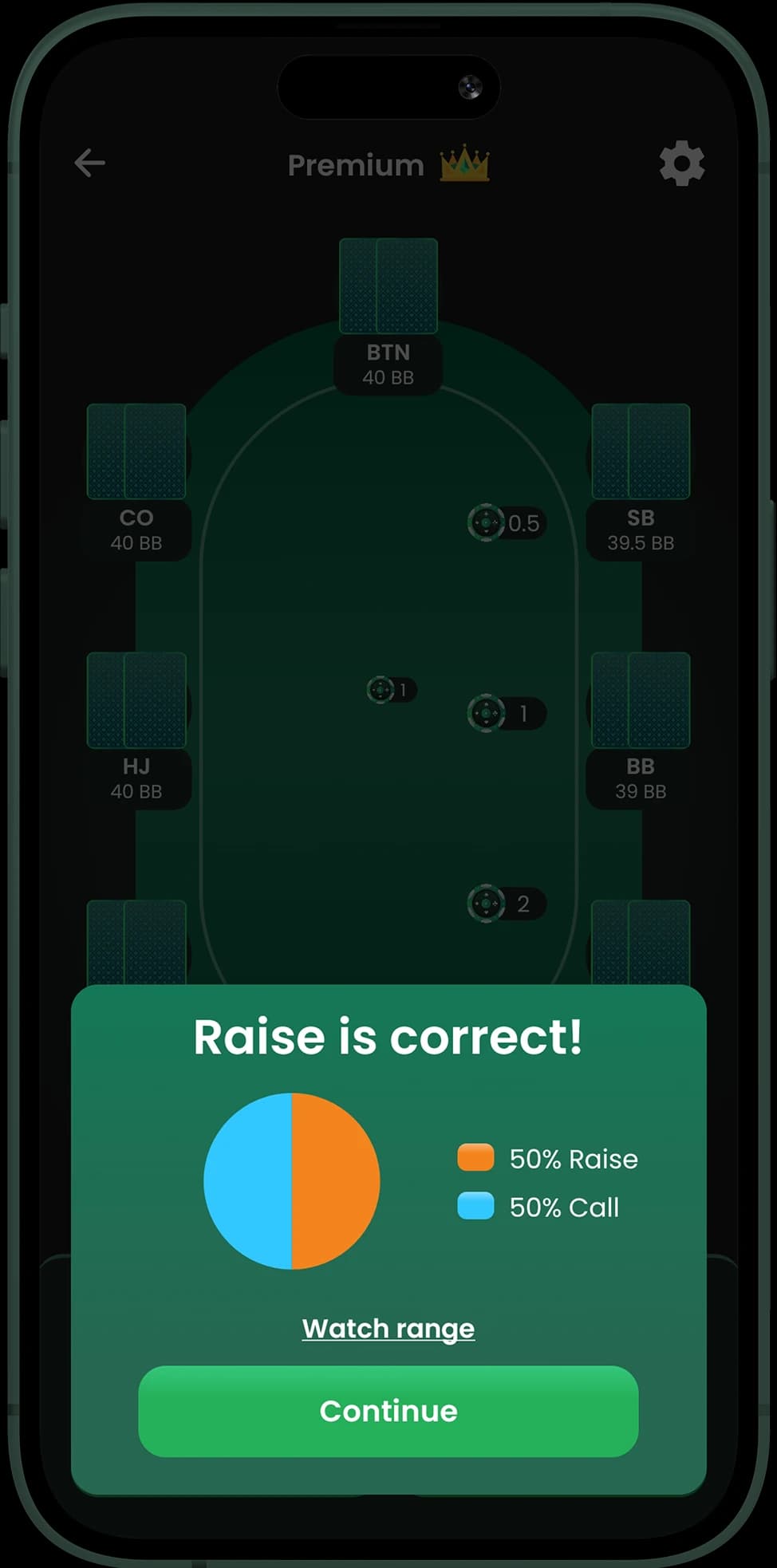
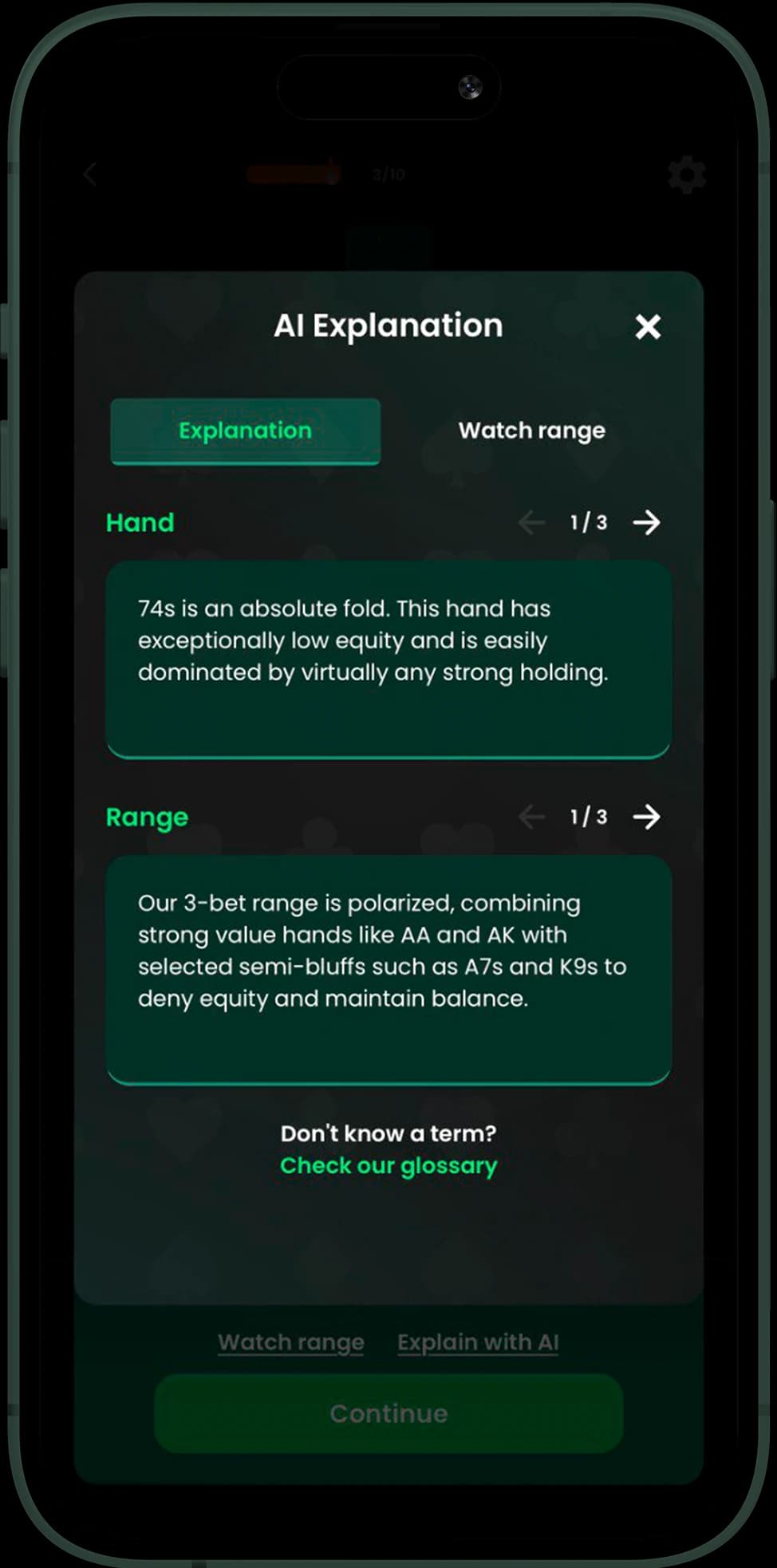
Here's a rough calculation. Say you play 200 hands per hour and your VPIP (percentage of hands you play) is 35% when optimal is 22%. That's roughly 26 extra hands per hour you're playing unnecessarily. If each costs you an average of 1 big blind in expected value, that's 26 big blinds per hour you're giving away before postflop even starts. At $1/$2, that's $52/hour in preflop leaks alone. This calculation assumes only 1 BB average loss per hand — the real number for dominated hands in bad positions is often much higher.
Fixing Your Strategy Is Better ROI Than Any Bankroll Rule
The math on improving vs managing
The highest ROI activity for any losing poker player is fixing their preflop strategy — not finding a better stop-loss rule or a more sophisticated bankroll formula. A 10% improvement in preflop decision accuracy translates directly to a 10% improvement in long-term results, regardless of stake level. This is why serious players invest in training tools rather than just playing more: the return on strategic improvement compounds in a way that better bankroll management never can.
Start training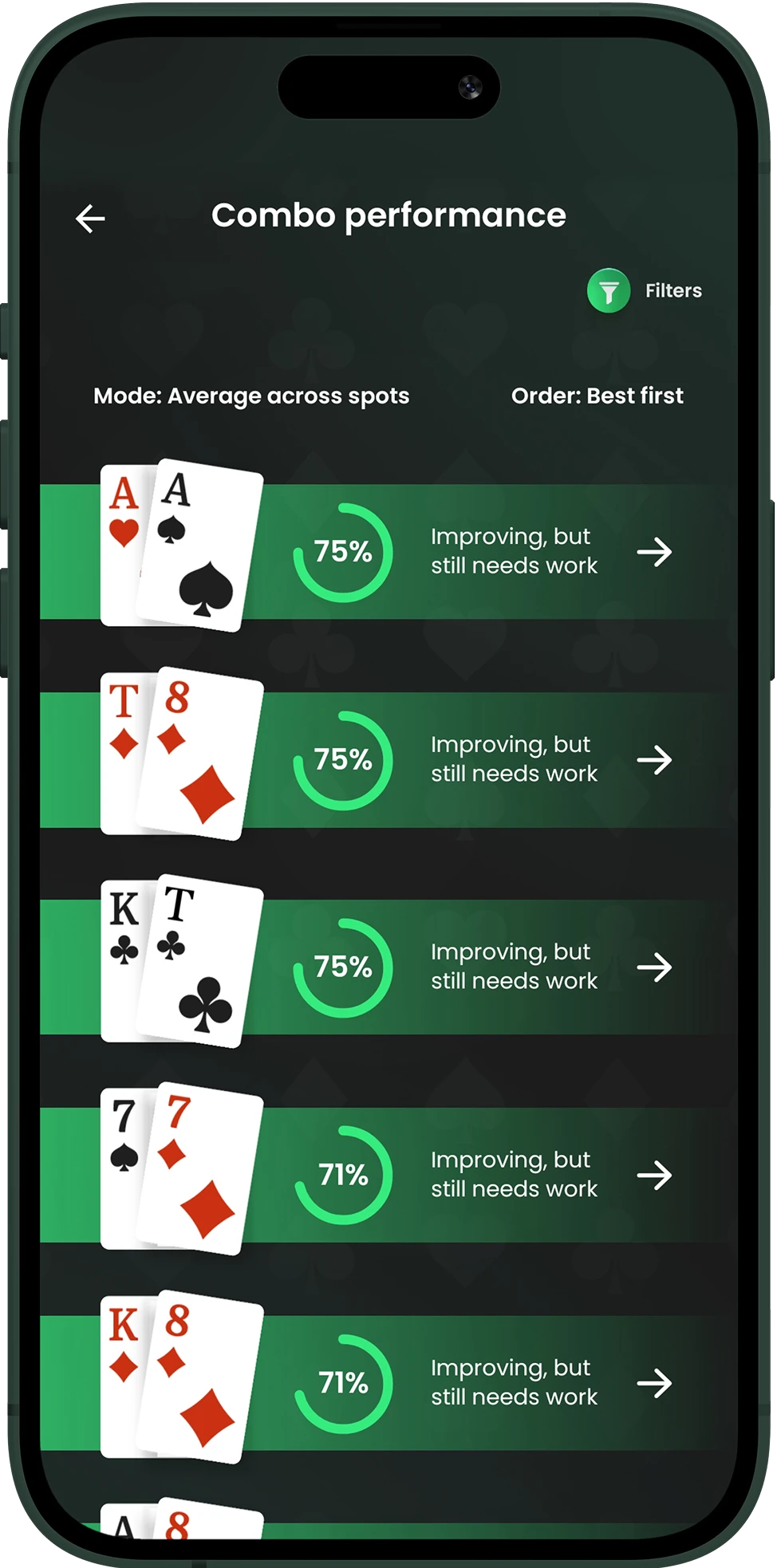
Poker Bankroll FAQ
Start training
Stop the Bankroll Bleed — Start with Preflop
Download PreflopAI and fix the real reason your poker bankroll keeps shrinking.