
How to Study Poker So It Actually Translates to Winning
Most poker study feels productive but changes nothing. Here's the framework that actually moves your win rate — and why preflop is always the starting point.
Start trainingWhy Most Poker Study Doesn't Work
Players who study poker tend to fall into one of three ineffective patterns: passive content consumption (watching training videos without active recall), random hand reviewing (analyzing hands without pattern recognition), or theory overload (studying advanced concepts before fundamentals are solid). None of these produce the neurological encoding needed to change decisions at the table. Effective poker study — the kind that actually shifts your win rate — requires active decision-making practice with immediate feedback. Everything else is entertainment.
Start training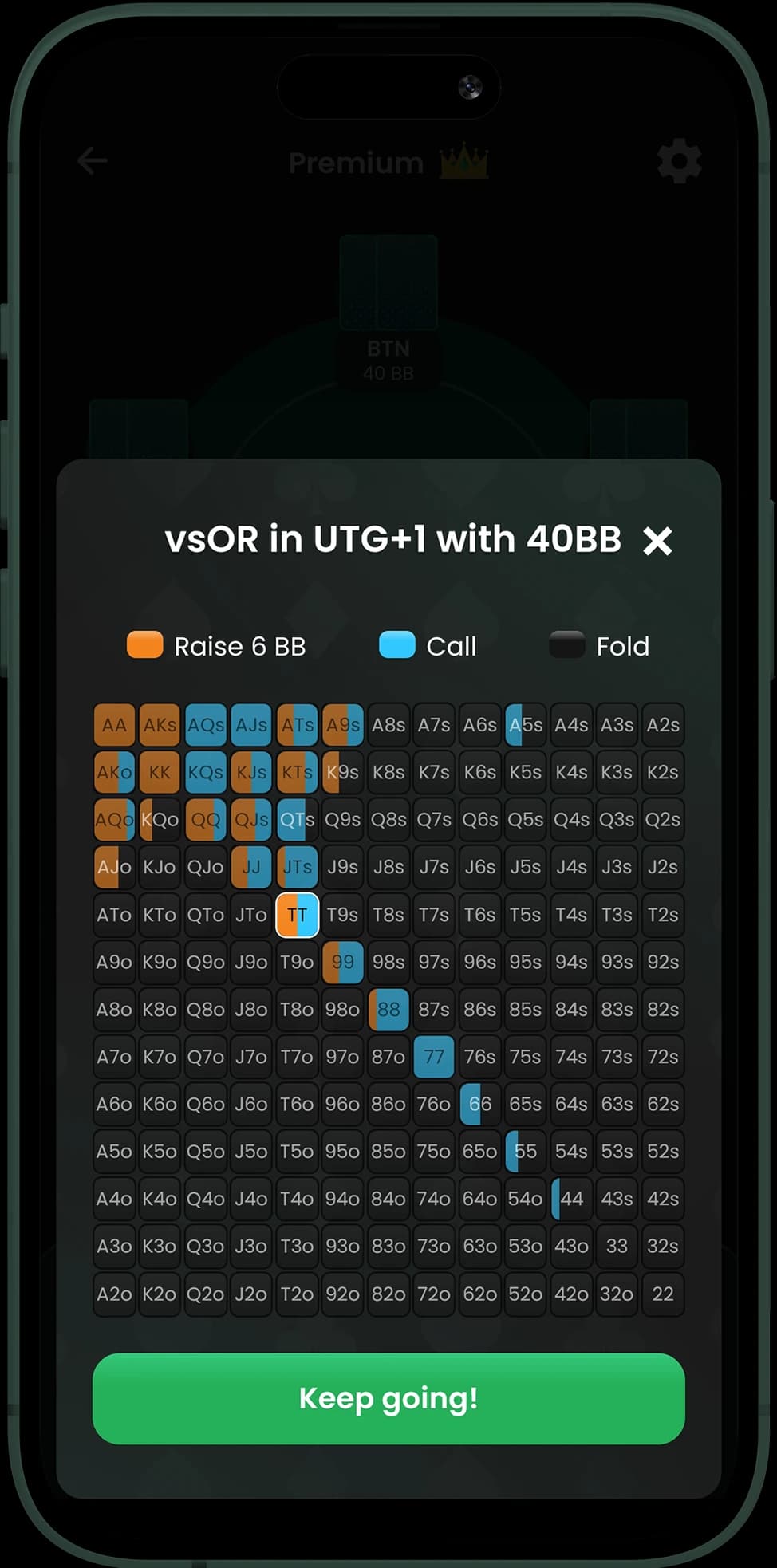
The Study Hierarchy: Where to Start and Why
Not all study areas have equal ROI
Poker study has a hierarchy based on decision frequency and impact. Preflop hand selection is at the top because it happens every hand and has direct, measurable effects on win rate. Postflop strategy is next because it applies frequently in hands you play. Advanced concepts (ICM, exploitative adjustments, solver work) come last because they build on the foundation of preflop and fundamental postflop decisions. Players who skip the hierarchy and jump to advanced concepts typically fail to see improvement because their foundation is broken.
Active Recall: The Learning Science Behind Effective Poker Study
Why testing yourself beats reading or watching
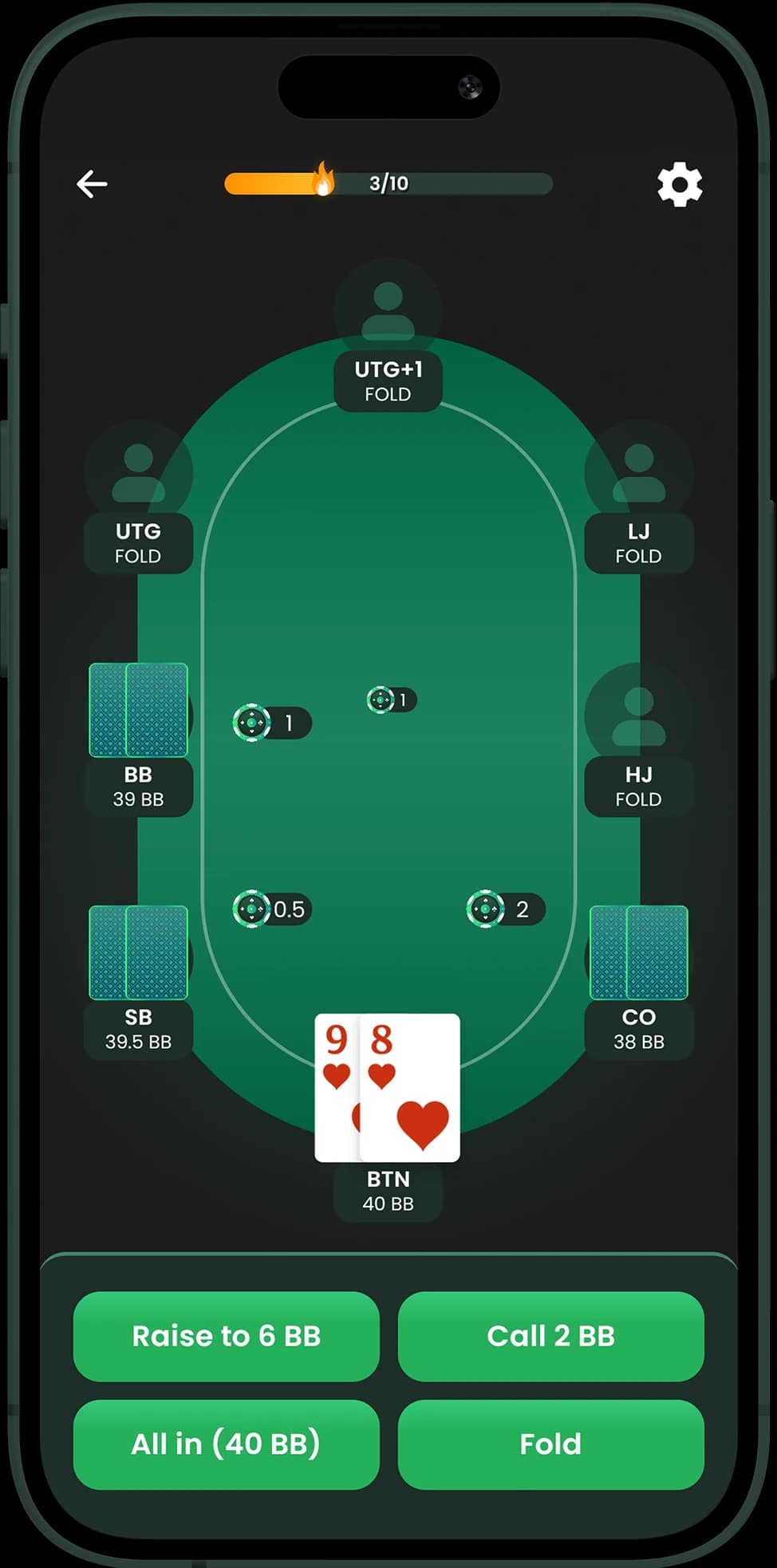
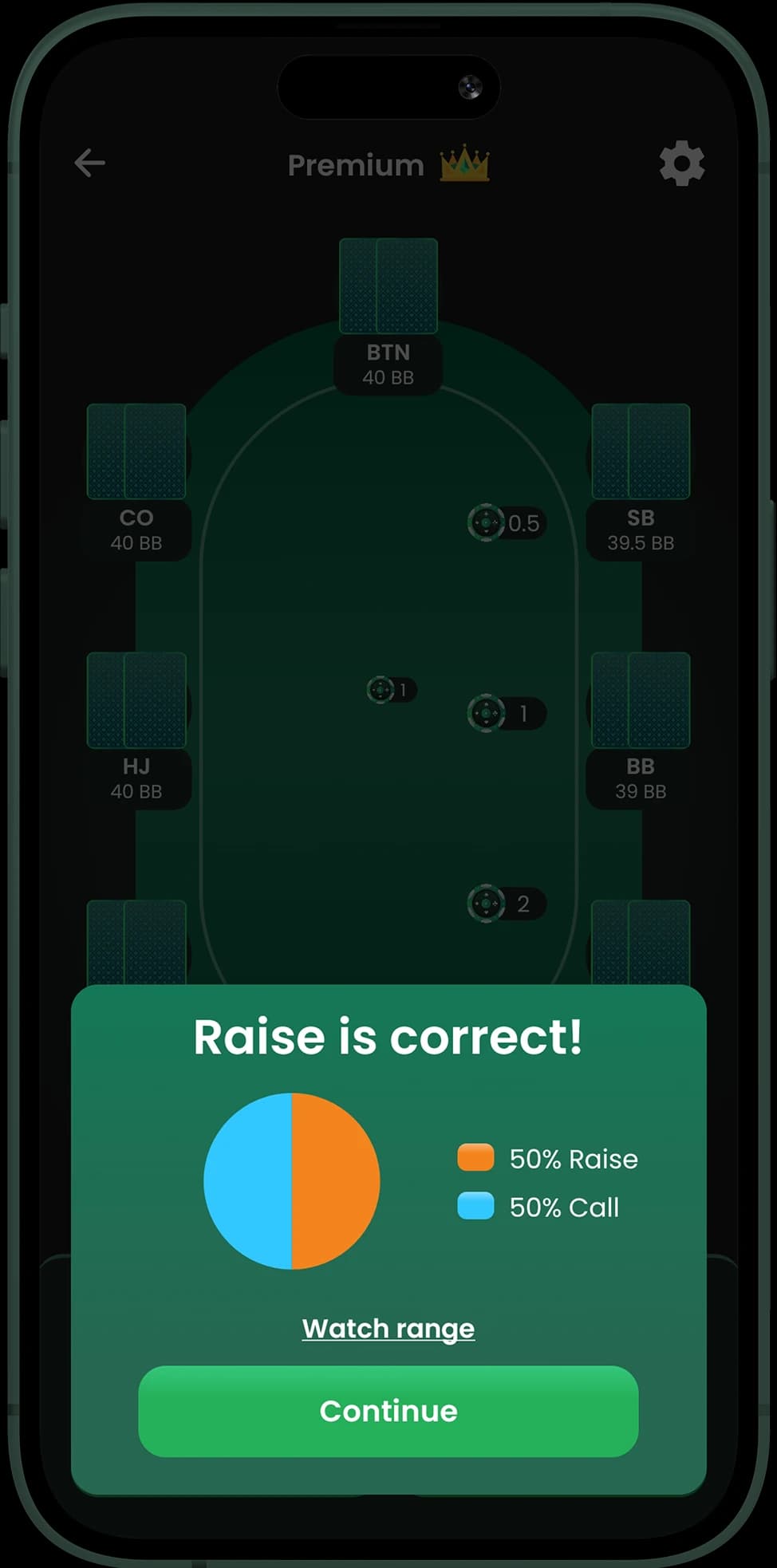
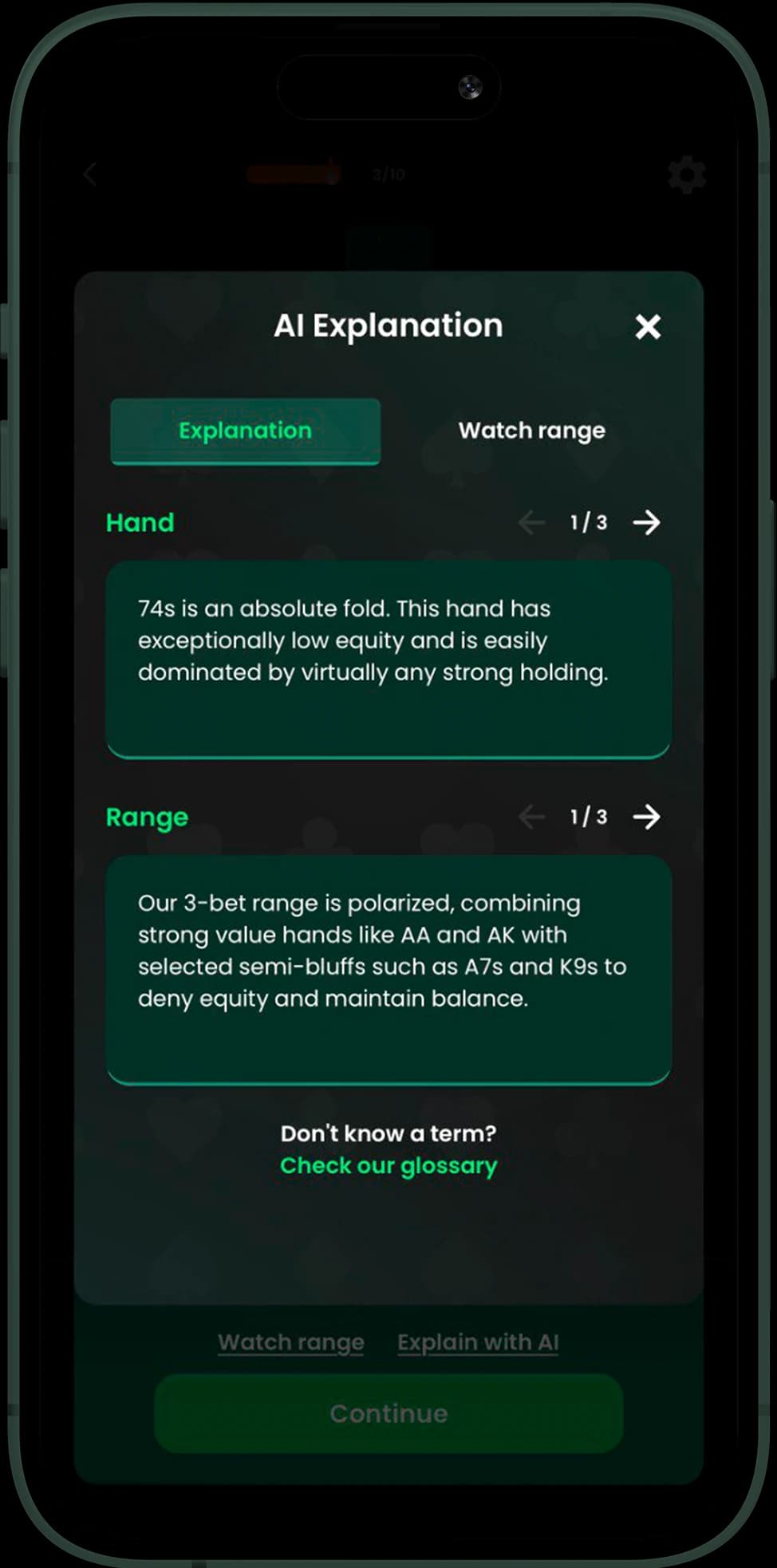
Decades of learning science research consistently finds that active recall — retrieving information from memory under test conditions — produces significantly stronger long-term retention than passive review. For poker, this means: instead of reading about preflop ranges, you should be given a hand, a position, and a situation, and asked to make the correct decision. Getting it right or wrong, with immediate feedback, encodes the correct response far more durably than any amount of reading. This is the fundamental design principle behind effective poker training software.
Spaced Repetition: The Other Half of the Learning Equation
Why reviewing at the right intervals beats mass studying
Spaced repetition is the practice of reviewing material at increasing intervals — right before you'd otherwise forget it. Combined with active recall, it's the most efficient memorization system ever studied. For poker ranges, this means: see the spot once, test yourself on it the next day, again in three days, again in a week. Each test strengthens the memory trace. Software that implements spaced repetition for poker ranges — presenting difficult spots more often and mastered spots less often — dramatically accelerates the learning curve compared to random practice.
Building a Winning Study Routine: The 15-Minute Daily Framework
Consistency beats intensity in poker improvement
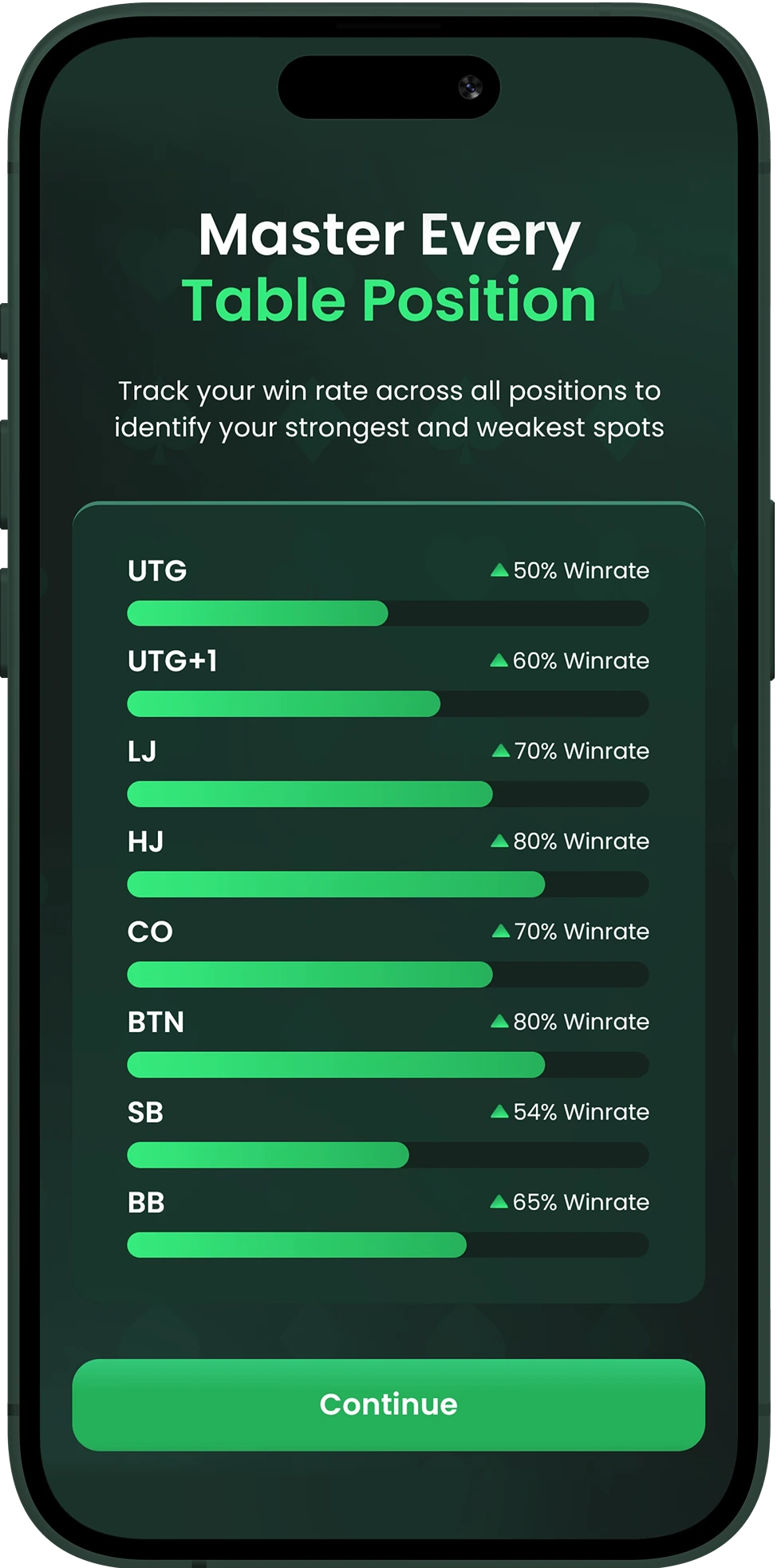
The most effective poker study routine isn't three-hour weekend sessions — it's 15-20 minutes of daily active practice. Specifically: 10-12 minutes of preflop decision training (active recall, position-specific, with feedback), 3-5 minutes reviewing incorrect answers from the session. Done daily, this produces measurable range improvement within 2-3 weeks and full internalization of core ranges within 6-8 weeks. Players who follow this protocol consistently outperform those who study intensively but irregularly — because consistency enables spaced repetition to work.
Start training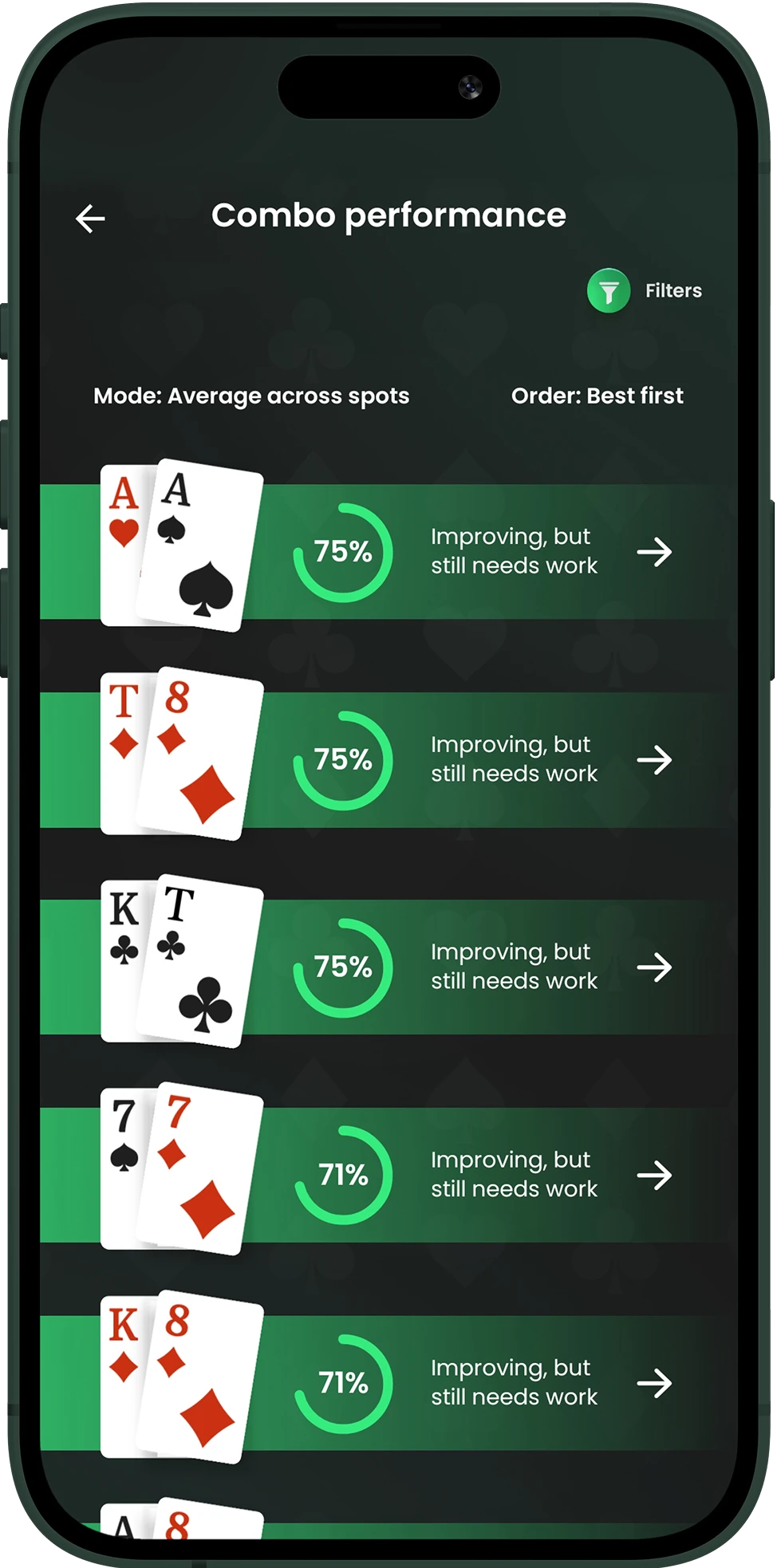
Effective Poker Study FAQ
Start training
Start Studying Poker the Right Way
Download PreflopAI and use AI-powered active recall to build preflop ranges that actually stick.