
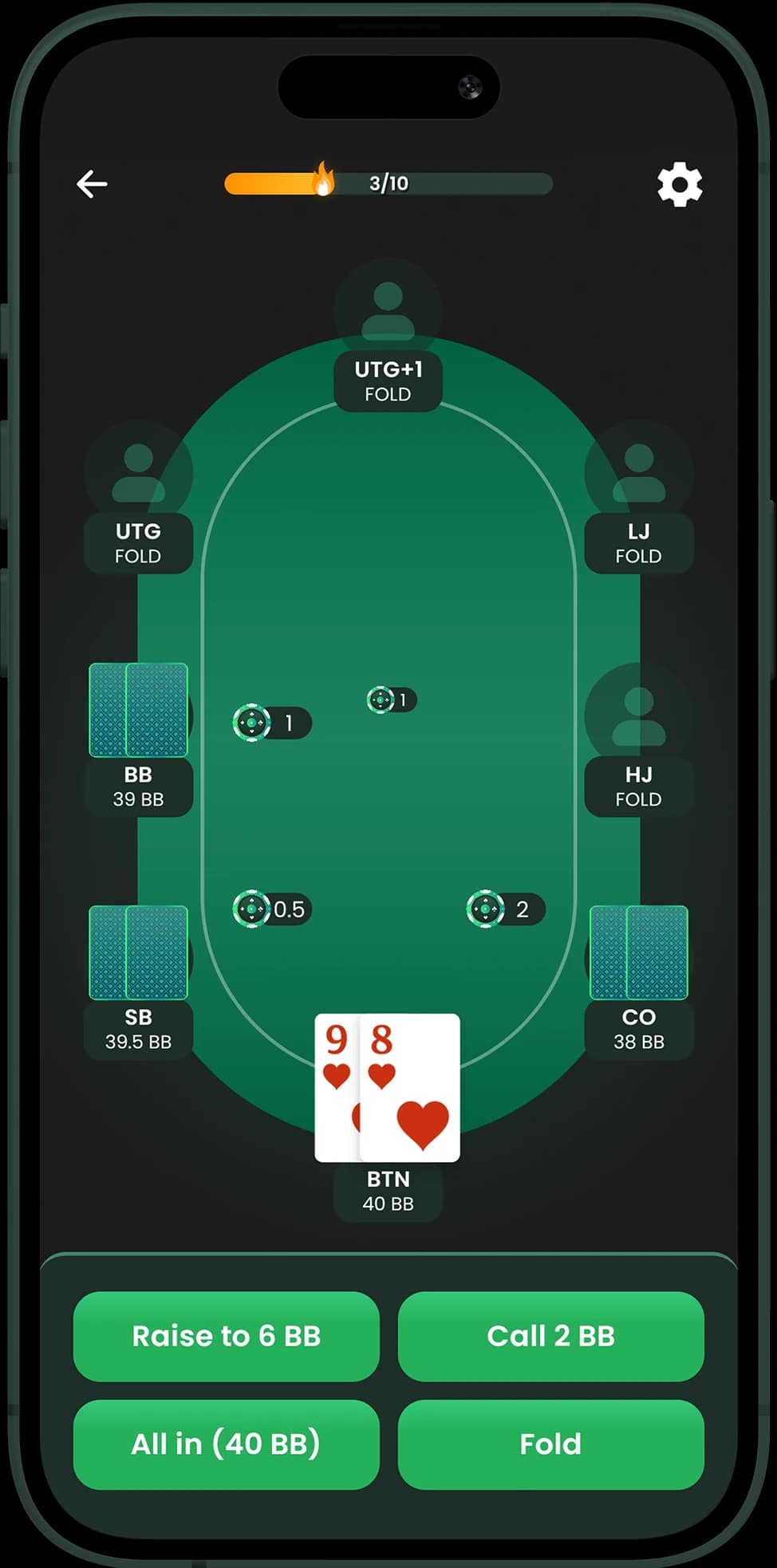
Poker Rake: The Silent Bankroll Killer Most Players Ignore
Rake is inescapable in poker — but its impact on your results is determined almost entirely by how good your preflop decisions are.
Start trainingWhat Is Rake and How Does It Work?
Rake is the fee the house takes from each pot in poker. In live games, it's typically 5-10% of the pot up to a cap (often $4-$7). In online games, it ranges from 2-5% with caps that vary by site and stake. This seems small per hand, but it accumulates relentlessly. At a $1/$2 live game where the average pot is $40 and the rake is $4, the total rake from a 40-hand-per-hour game is $160 per hour — extracted from the collective stack of all players at the table. Someone pays it. Usually, the losing players pay the most.
Start training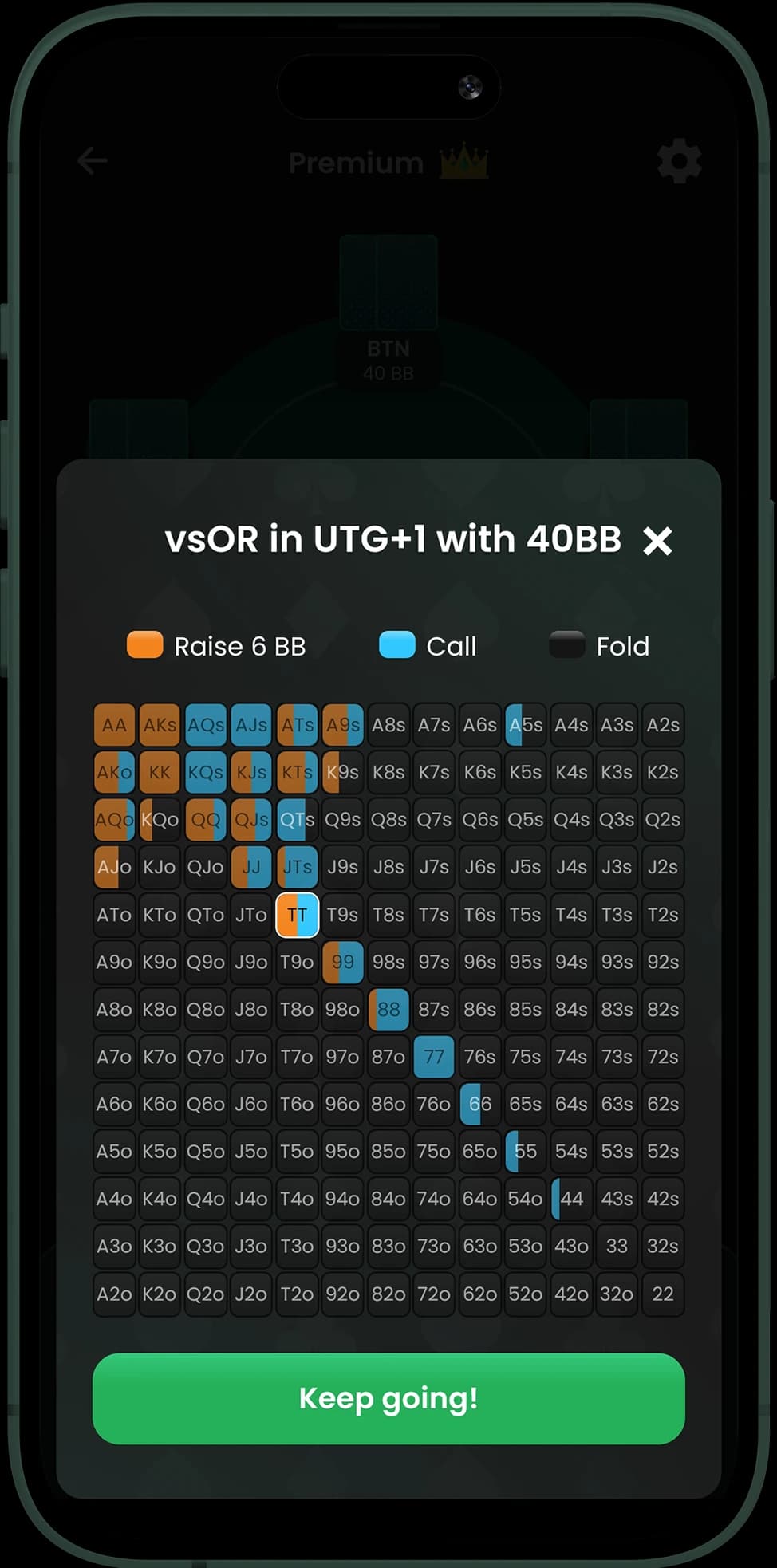
The Real Hourly Cost of Rake on a Losing Player
The math that should make every recreational player uncomfortable
If you're a -10 BB/100 player at $1/$2 (a common losing rate for recreational players), you lose $0.20 per hand on average. At 30 hands per hour live, that's $6/hour from strategic losses. The rake on top of that is another $3-5/hour at minimum. Total real cost: $9-11/hour just to sit at the table and play sub-optimal poker. At $2/$5, multiply by 2.5. This isn't designed to be discouraging — it's designed to clarify why improving strategy has such a large dollar impact for recreational players.
The Skill Threshold: How Good Do You Need to Be to Beat the Rake?
The number every serious player should know
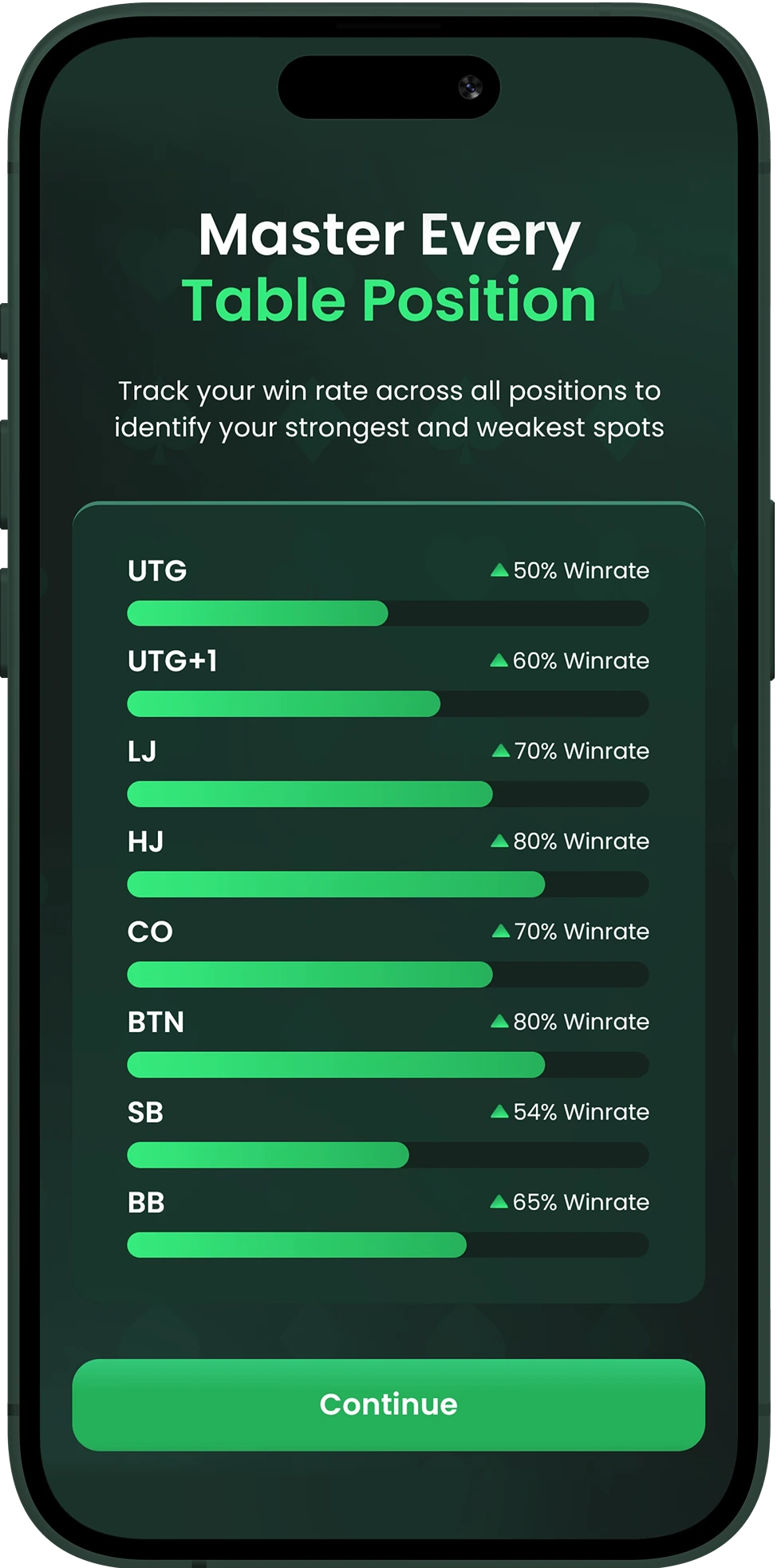
To break even in a raked game, you must perform better than the average player by enough to overcome the house take. Industry estimates suggest you need to be roughly in the top 30-35% of players by decision quality to beat a typical raked game over time. This doesn't require being a professional — it requires playing tighter, better-positioned, and more aggressively than most recreational players. Specifically, it requires having a preflop range that's meaningfully better than average. That's achievable through systematic study.
Why Better Preflop Play Reduces Effective Rake
The mathematical relationship between hand selection and rake impact
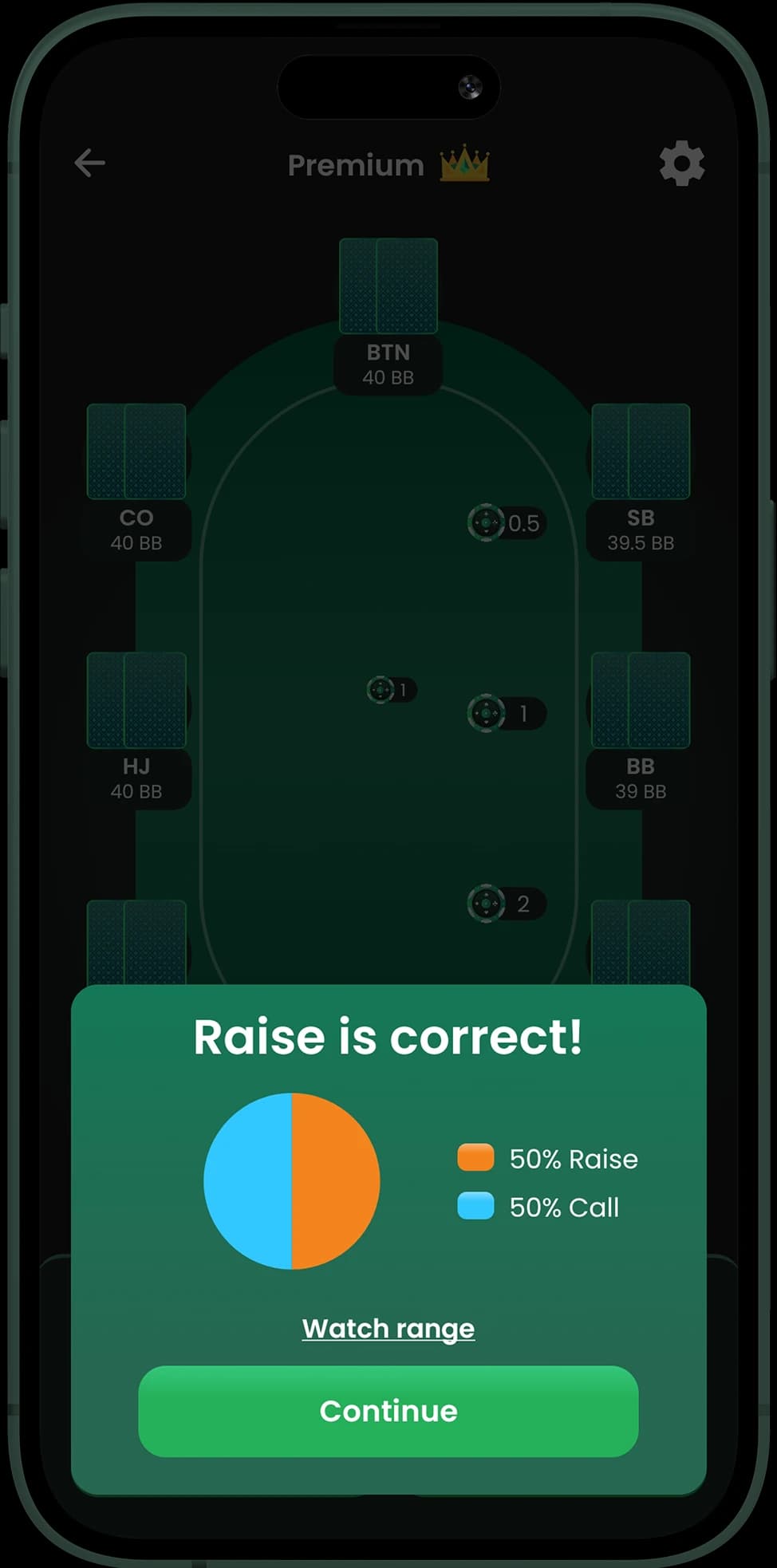
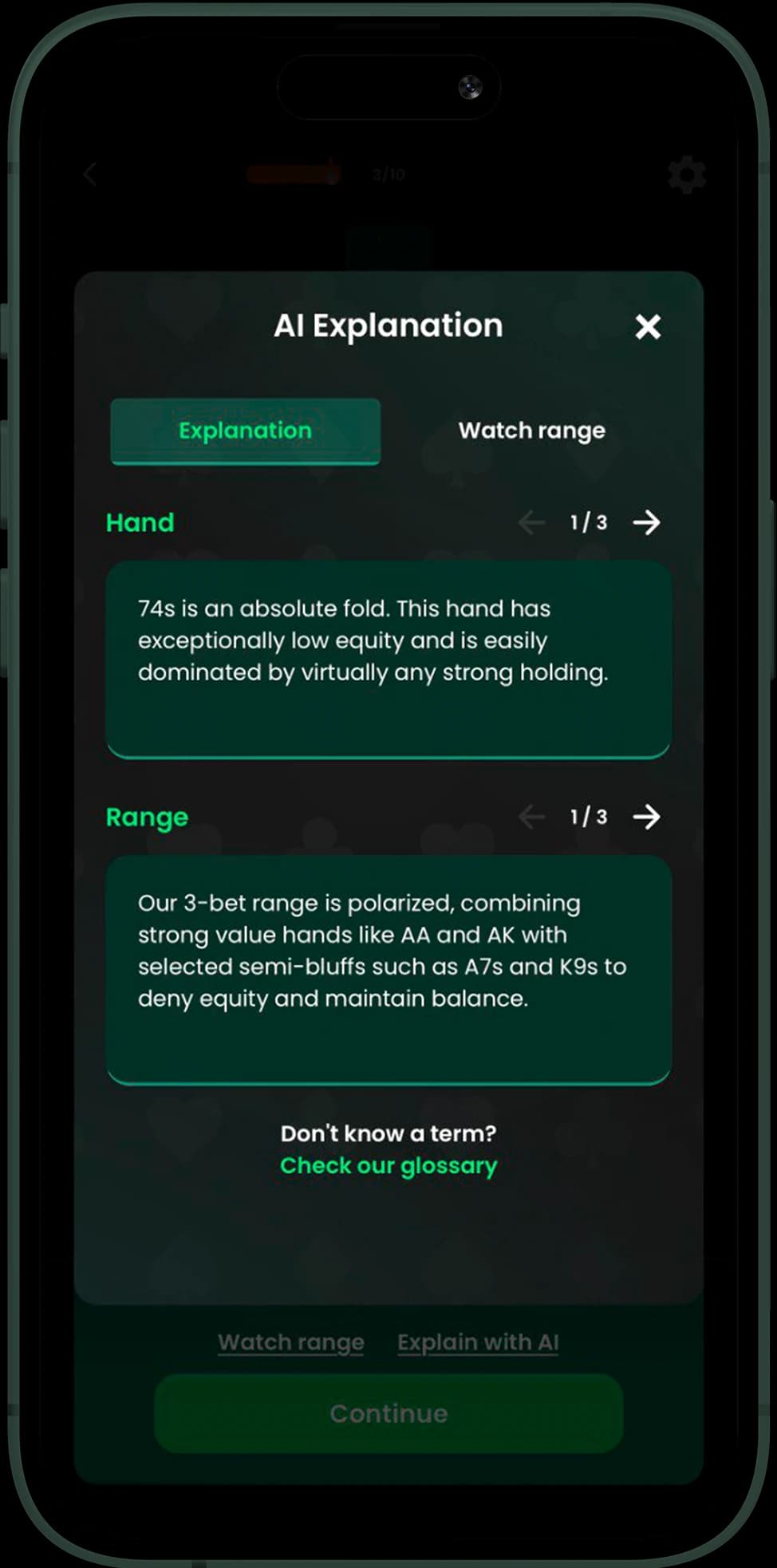
Here's a counterintuitive insight: tighter preflop play reduces your effective rake rate. When you fold pre-flop, you pay no rake. When you play fewer hands, you're only entering pots where you have a strategic advantage — meaning the rake is spread across pots you're more likely to win. Players who play 25% of hands pay rake on 75% fewer pots than players who play 40% of hands. Better preflop selection doesn't just improve your win rate — it reduces your rake exposure. Both effects push in the same direction.
The Only Real Defense Against Rake Is Skill
Why technique beats system when it comes to house edge
Some players try to beat rake through seat selection (always finding the weakest tables), bonus hunting, or rakeback programs. These help at the margins. But the only sustainable defense against rake is playing better than your opponents by a sufficient margin. The players who beat live $1/$2 for decades aren't doing so through clever rake minimization — they're doing so because their preflop ranges are better, their position awareness is better, and their overall decision quality exceeds the field enough to overcome the house cut.
Start training
Poker Rake FAQ
Start training
Build the Skill Edge That Beats the Rake
Download PreflopAI and develop the preflop precision needed to overcome the house edge.