
GTO Poker Strategy for Beginners: The Solution to Most Losses
Game Theory Optimal strategy sounds intimidating. But the core of GTO — playing the right hands from the right positions — is exactly what stops most recreational players from losing.
Start trainingWhat GTO Actually Means (Without the Math)
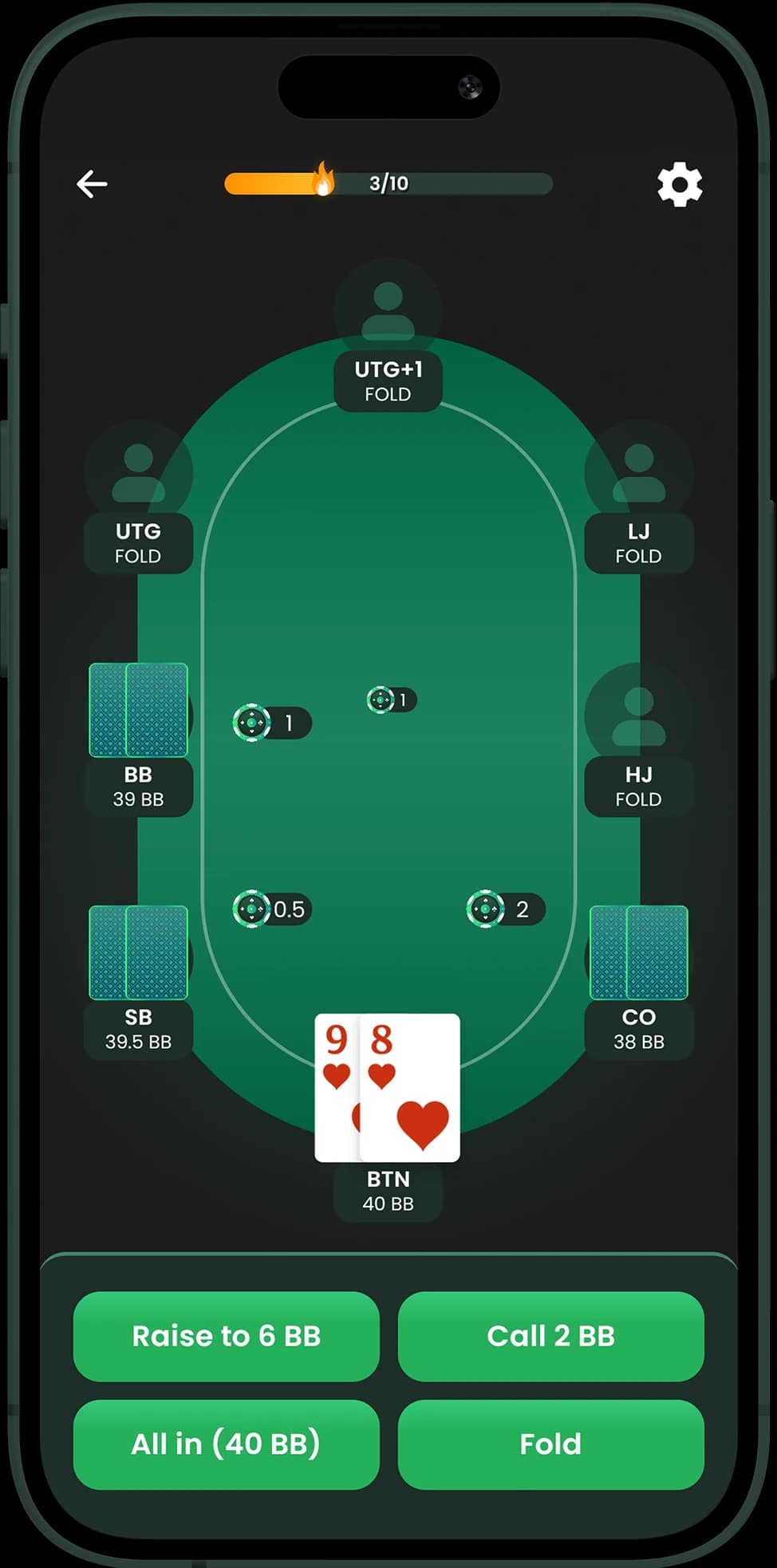
GTO stands for Game Theory Optimal. In practice, it means: playing a strategy that is mathematically balanced — one that cannot be exploited by any opponent regardless of what they do. For preflop, GTO tells you which hands to open, 3-bet, and fold from each position in a way that makes you impossible to systematically profit against. You don't need to understand game theory to benefit from GTO ranges. You just need to know: these are the correct hands to play, from these positions, in these situations.
Start training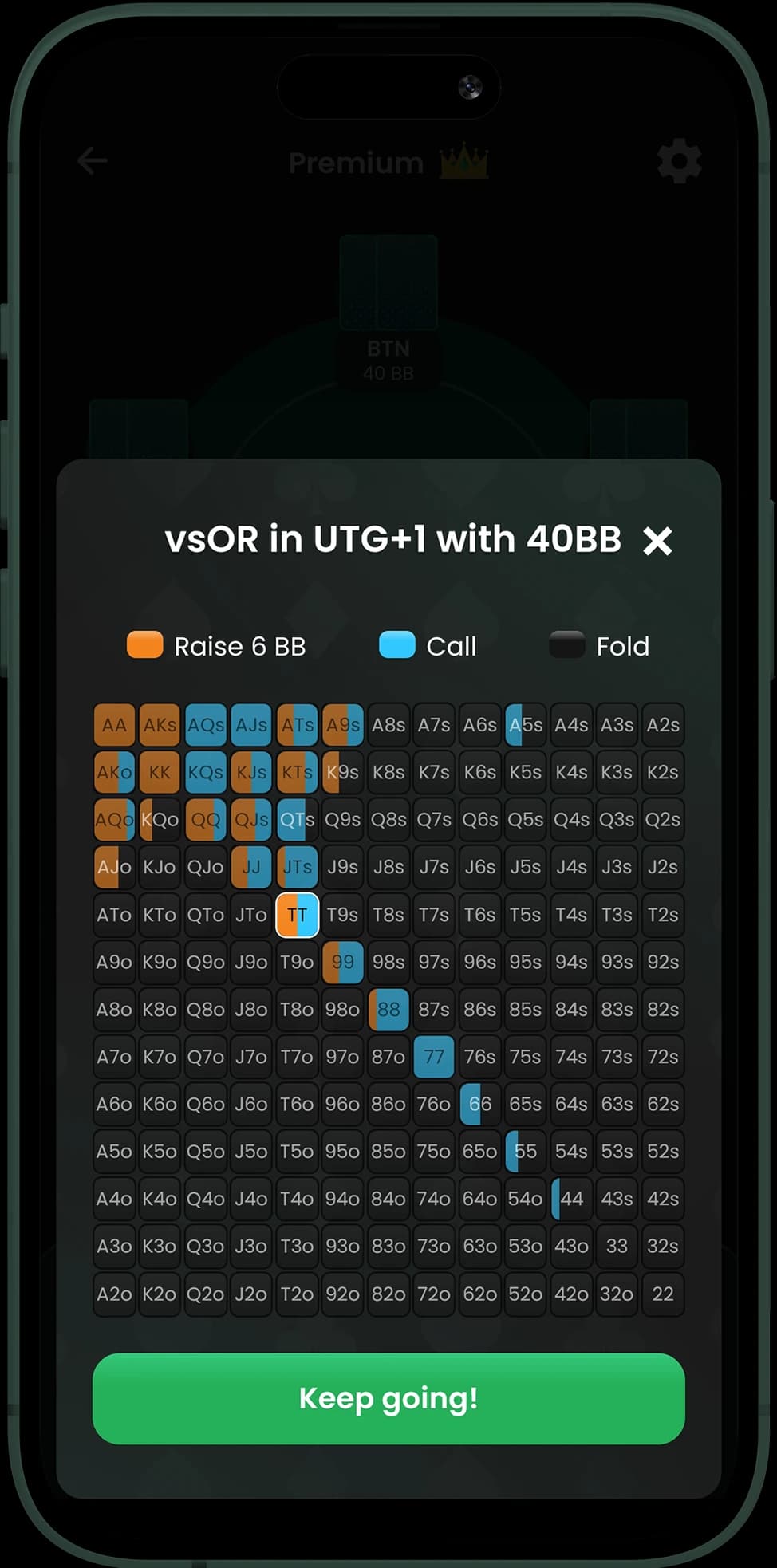
Why GTO Is the Solution, Not Just Theory
The practical impact of correct ranges on your results
GTO ranges solve the core problem that causes most recreational losses: playing wrong hands from wrong positions. A player following GTO preflop ranges will never be found playing KJo from UTG, calling a 3-bet with medium suited connectors out of position, or limping with small pairs from early position. These are the specific mistakes GTO eliminates — not because they violate some abstract mathematical principle, but because they're -EV in practice and GTO ranges don't include them.
GTO vs Exploitative: The Nuance You Need
When to follow GTO and when to deviate
GTO is your baseline — the strategy that's correct when you have no information about your opponent. Exploitative strategy adjusts based on opponent tendencies: tighter against aggressive players, looser against passive ones. For most recreational players, GTO baseline is the right starting point because: their sample sizes are too small for reliable exploitative reads, and their opponents' deviations from GTO are less predictable than they assume. Master GTO first. Exploit when you have clear, reliable information.
The Core GTO Principles Every Recreational Player Should Know
Five rules that capture 80% of what GTO means in practice
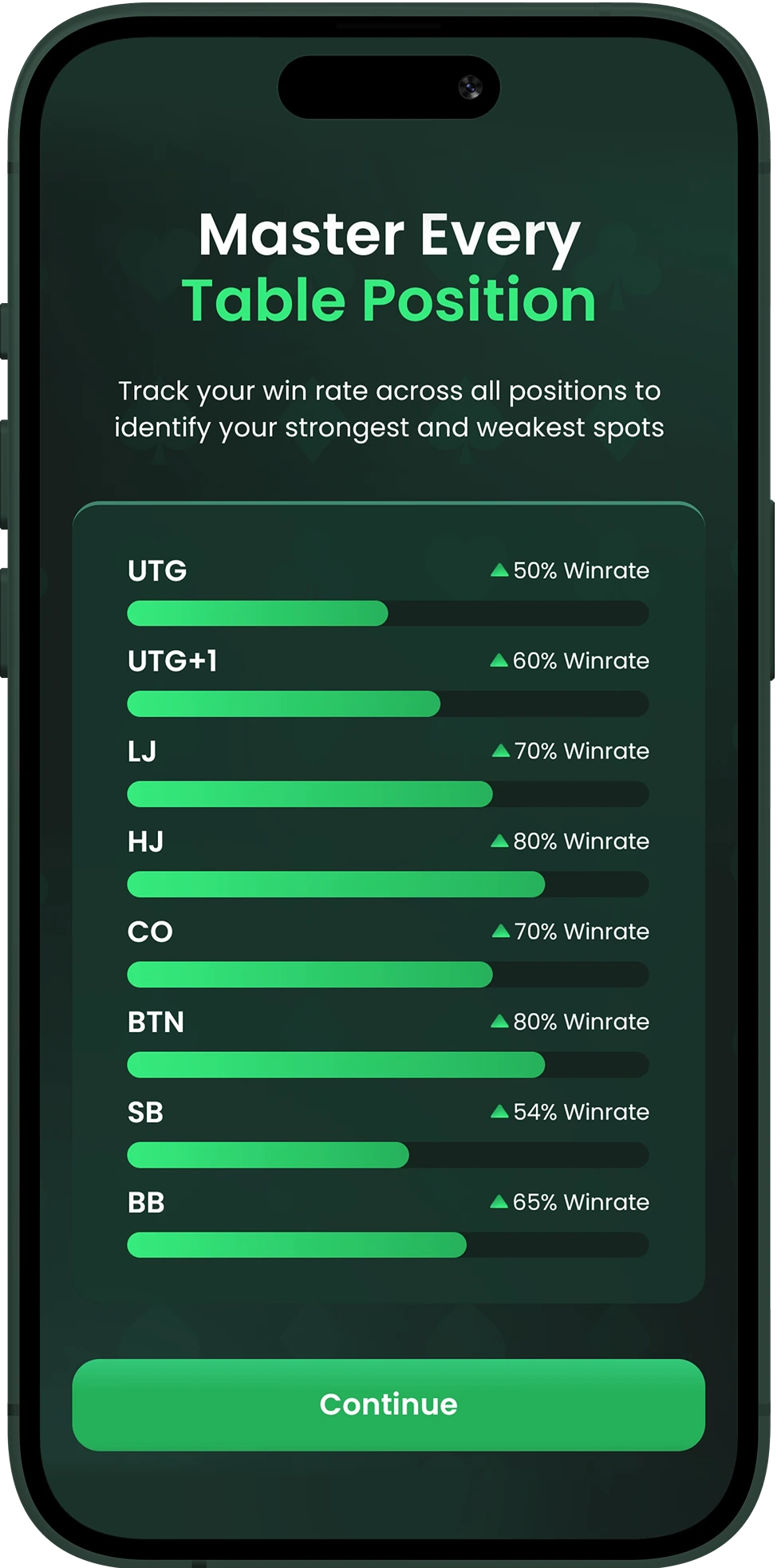
First, play tighter from early positions (12-15% UTG) and wider from late positions (40-50% BTN). Second, raise more, call less — passive calling is rarely optimal. Third, 3-bet a balanced range of value and bluffs, not just premium hands. Fourth, defend your big blind but not too wide — price matters. Fifth, adjust stack depth — shallow stacks require tighter, more aggressive strategies. These five principles, consistently applied, capture the vast majority of preflop GTO benefit for recreational players without requiring solver-level precision.
How to Learn GTO Ranges Without a Solver
The practical path from theory to internalized ranges
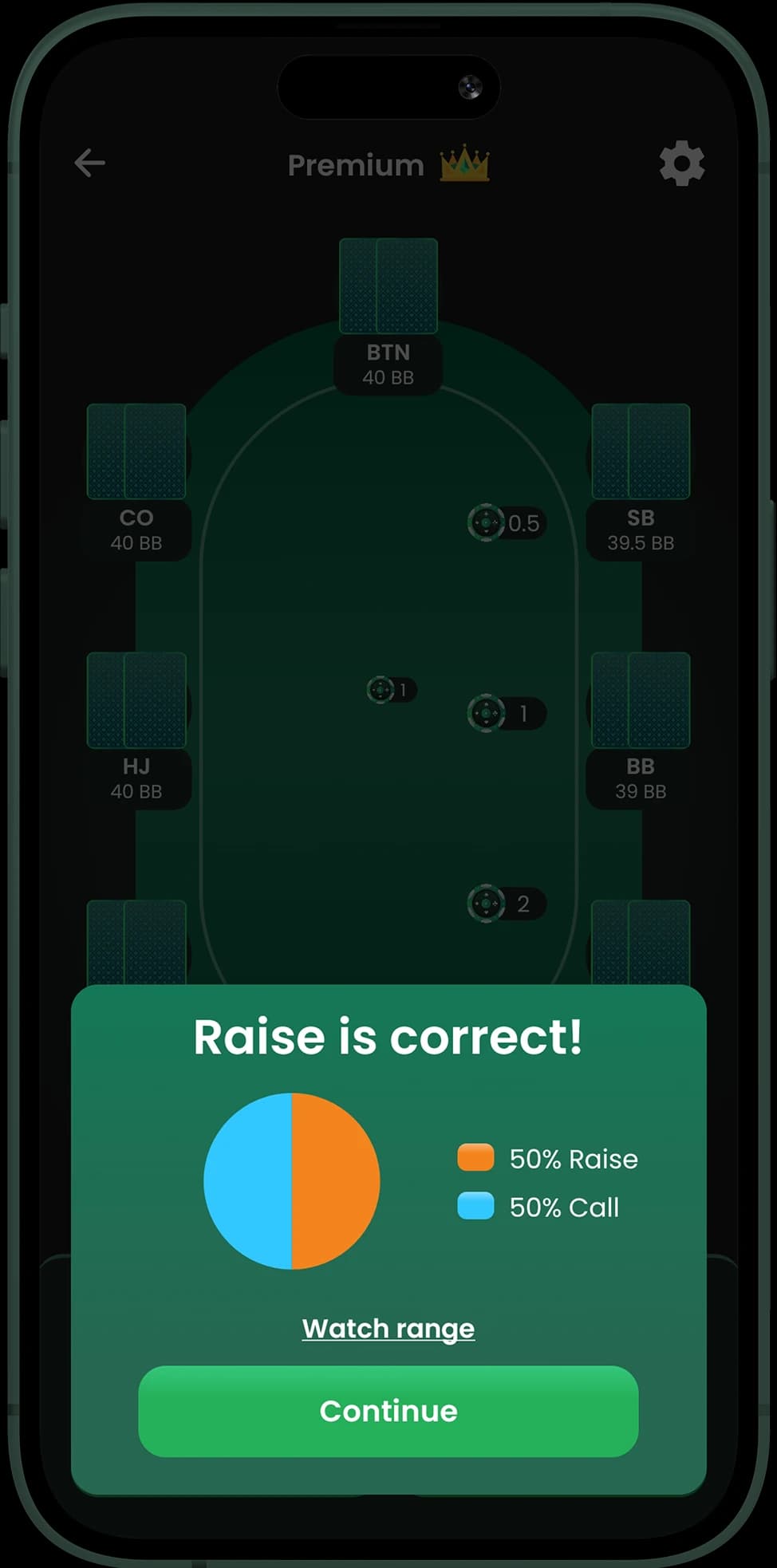
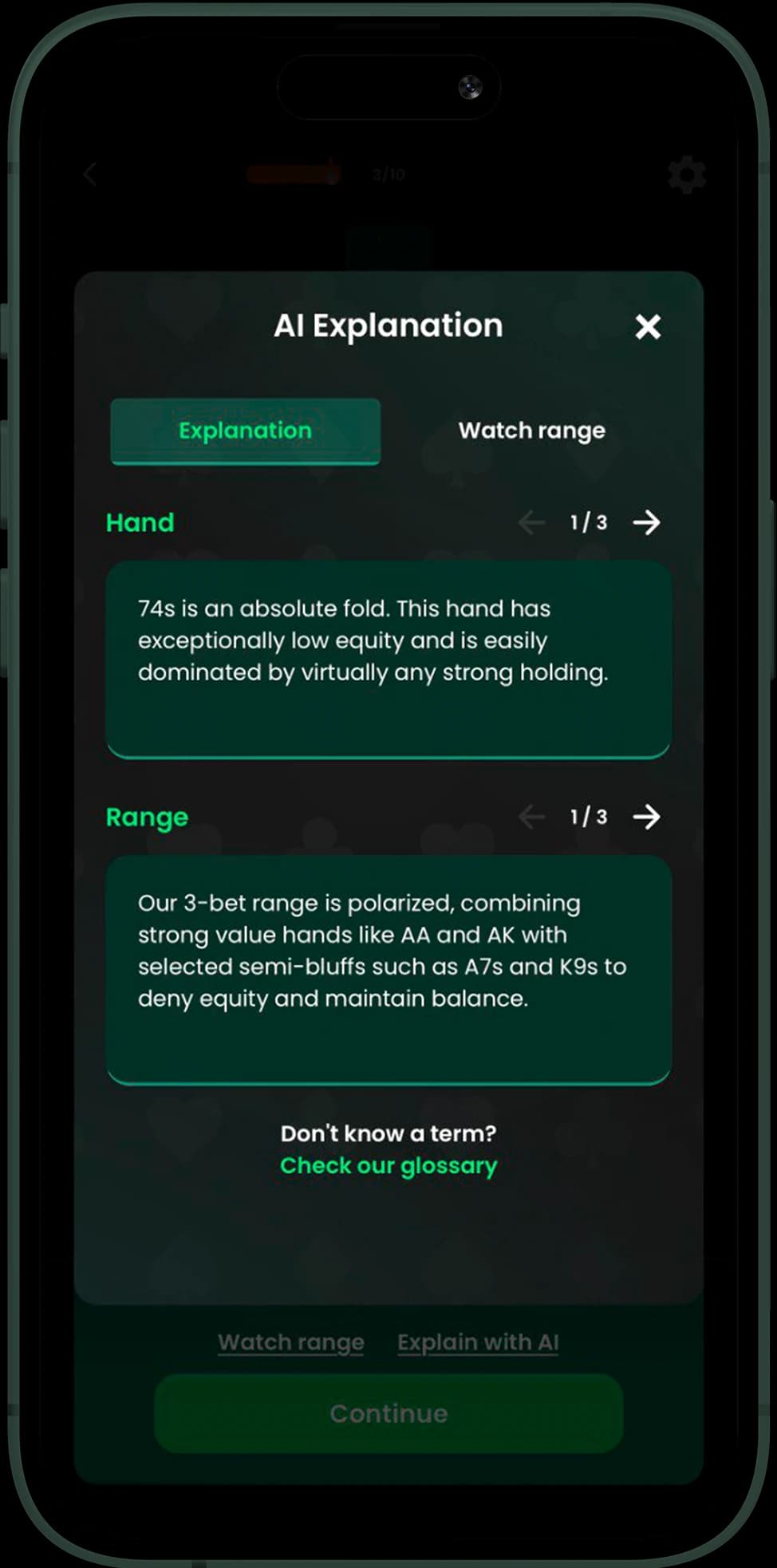
Professional players use GTO solvers — software that computes optimal strategies through game theory calculations. These tools cost hundreds of dollars and require significant expertise to use effectively. For recreational players, the most practical path to GTO ranges is active practice with software that presents solver-derived ranges in training format: given a position, stack depth, and action, make the correct decision and receive immediate feedback. This approach builds the same range knowledge without requiring solver expertise, and it builds it faster through active learning principles.
Start training
GTO for Beginners FAQ
Start training
Learn GTO Strategy Through Active Practice
Download PreflopAI and internalize GTO preflop ranges with AI-powered training.