
Is Poker Skill or Luck? The Truth That Changes How You Should Study
Poker is both — but understanding the ratio of each, and where skill matters most, is the key to knowing what to fix when you're losing.
Empezar a entrenarThe Short Answer: Both — But Not Equally
Poker is a skill game with significant variance. In the short run, luck dominates — anyone can win a single session. Over thousands of hands, skill dominates — the best players consistently outperform the field. This duality is what makes poker simultaneously frustrating and learnable. Courts in multiple jurisdictions have ruled poker a game of skill for a reason: over sufficient sample sizes, skilled players always prevail. The question isn't whether skill exists — it's how to develop it.
Empezar a entrenar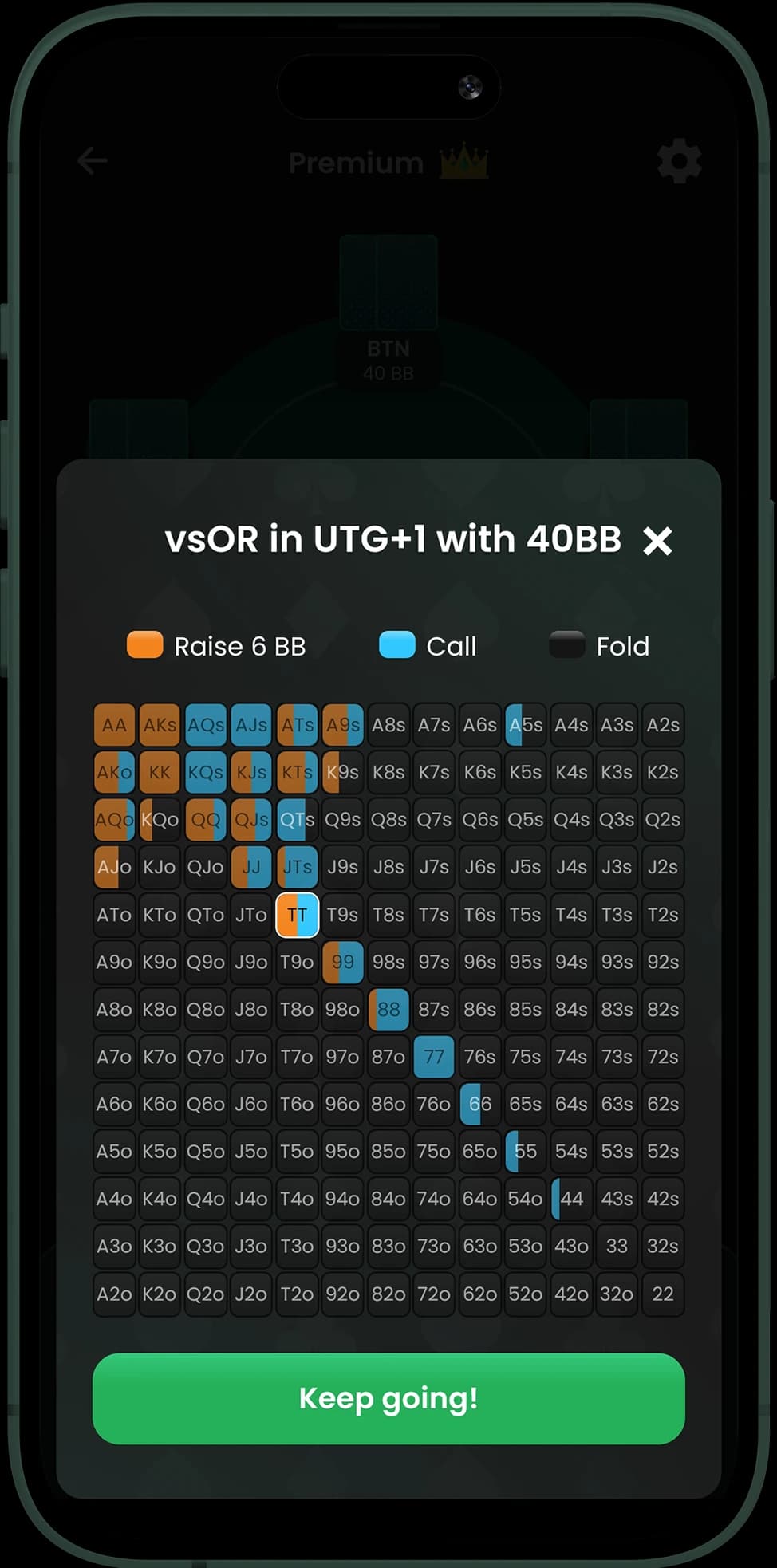
Where Luck Lives in Poker: Understanding Variance
The randomness you can't control — and shouldn't worry about
Luck in poker manifests as variance — the natural fluctuation in outcomes around expected value. You can make the correct decision and still lose the hand. AA vs KK, you're an 80% favorite — but KK wins 20% of the time. Over 100 hands of this situation, the 80% player comes out ahead. Over 10 hands, the results are unpredictable. This is why short-term results are poor guides to decision quality, and why recreational players attribute losses to bad luck when they're actually losing due to poor decisions.
Where Skill Lives in Poker: The Streets That Matter
Preflop is where the highest-frequency skill decisions live
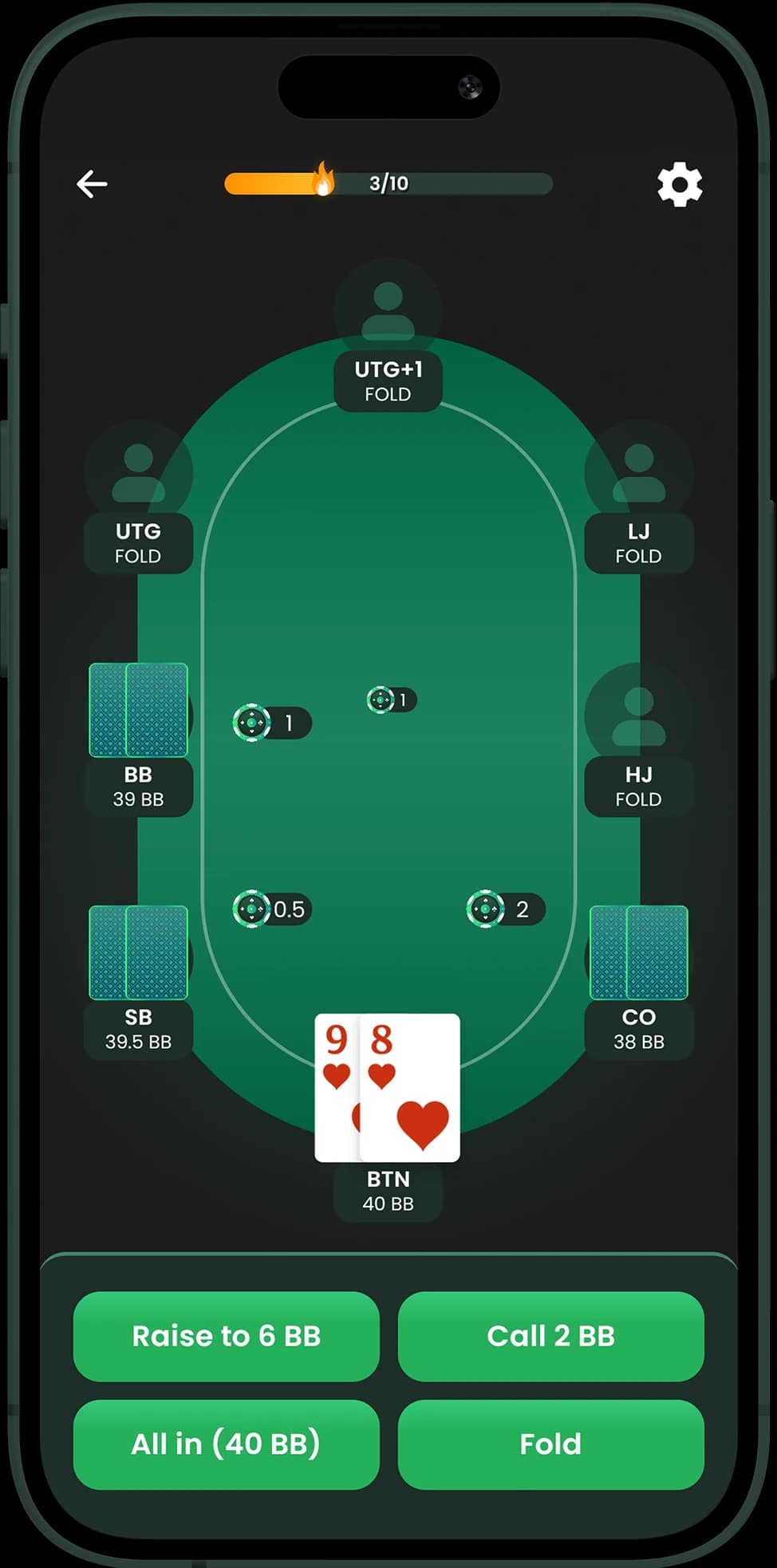
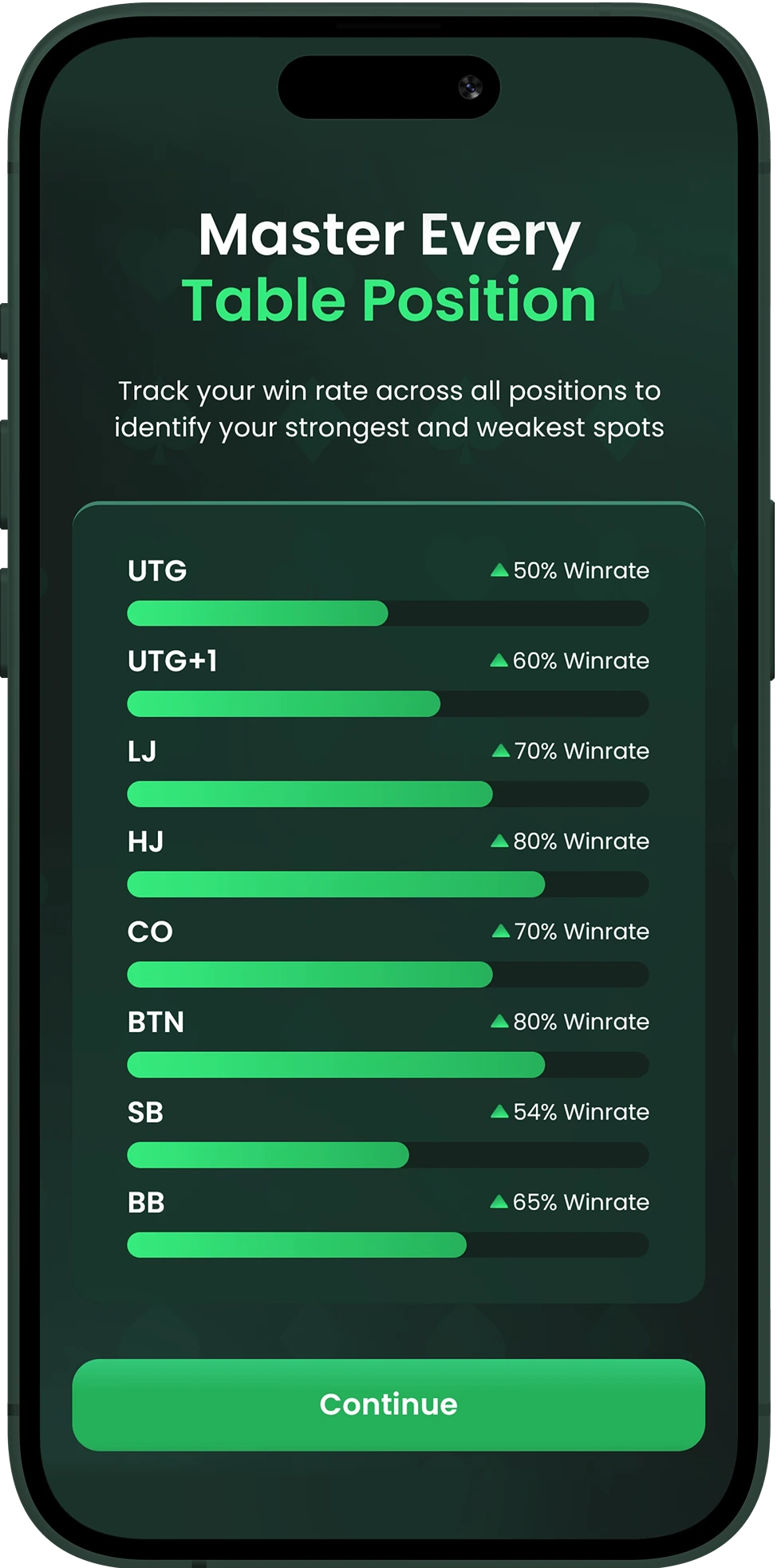
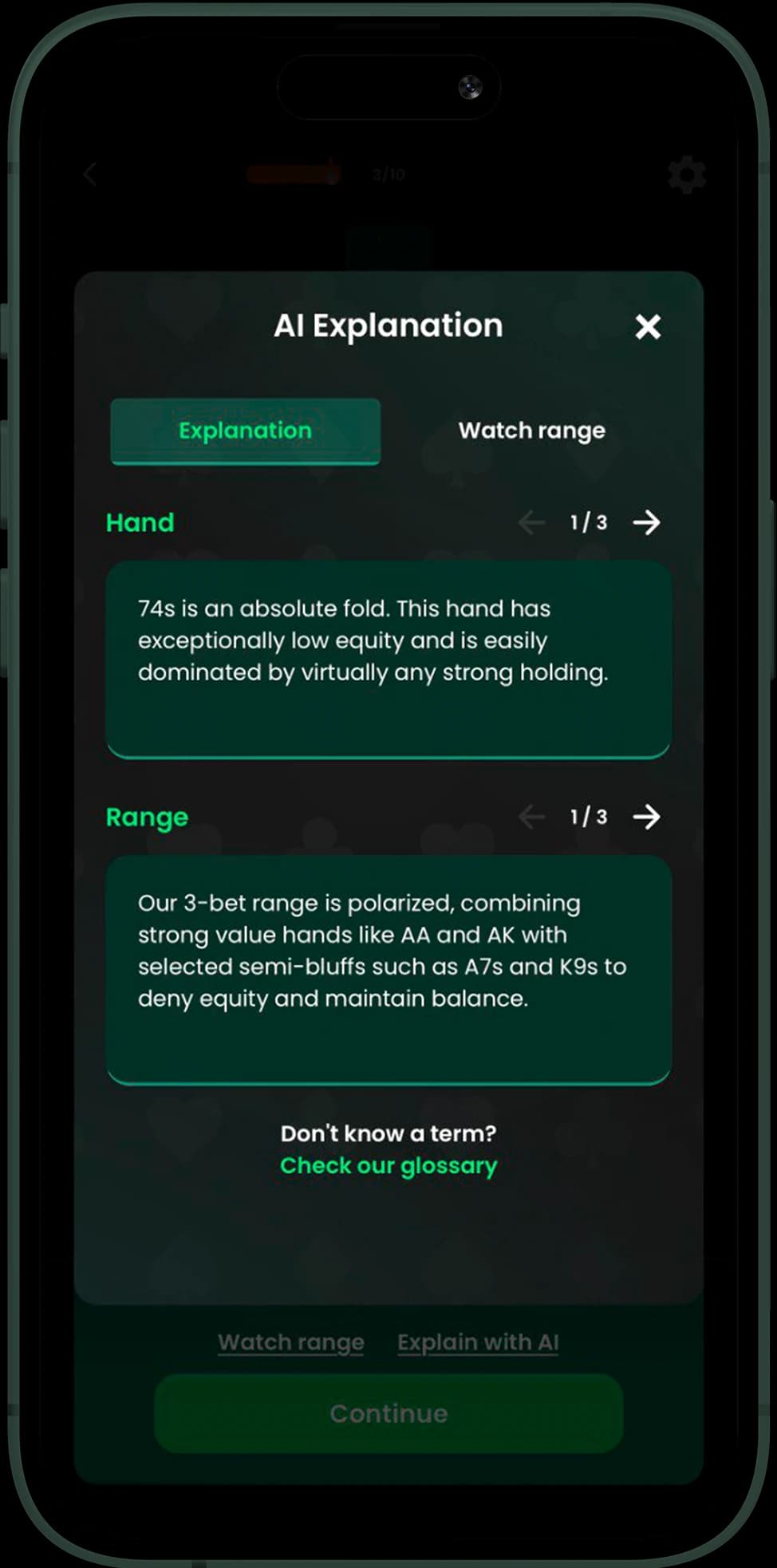
Skill in poker lives in decision quality — making better-than-average decisions across enough situations that the edge compounds. The highest-frequency skill decision in poker is preflop: which hands to play, how to play them, and from which positions. This decision occurs every hand. A player with superior preflop ranges has a systematic edge that manifests across every session, regardless of short-term card luck. Postflop skill matters — but preflop is where the most decisions are made and where most recreational players have the most room to improve.
The Professional Proof: Why the Same Players Win Year After Year
If it were luck, the leaderboard would shuffle constantly
The strongest evidence that poker is a skill game is the consistency of high earners. The same players finish in the money at major tournaments year after year. The same regulars beat the same games for years. If poker were predominantly luck, this consistency would be statistically impossible. The players who win consistently do so because they make better decisions — and the largest category of better decisions they make is preflop. They play fewer hands, from better positions, more aggressively, with better purpose.
What This Means for Improving Your Game
The right mental model changes where you focus your effort
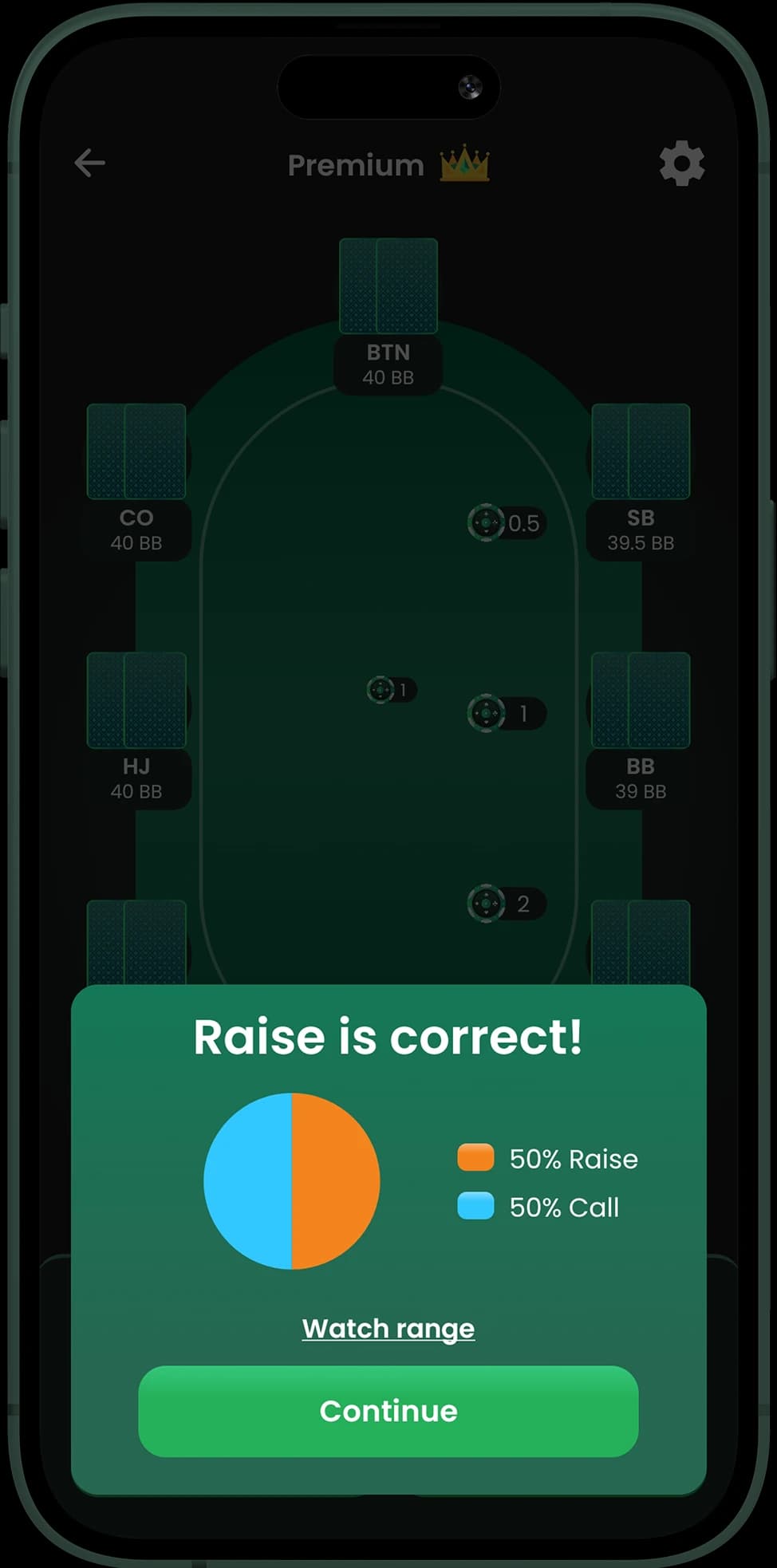
If you believe poker is mostly luck, you'll rationalize losses as variance and not study. If you understand it's mostly skill at volume, you'll study systematically. The players who improve fastest are the ones who accept that their results reflect their decisions — and then go find where those decisions are wrong. For most recreational players, that search ends at preflop. The quickest path from losing player to breakeven or better is mastering the decisions that occur most often: the preflop ones.
Empezar a entrenar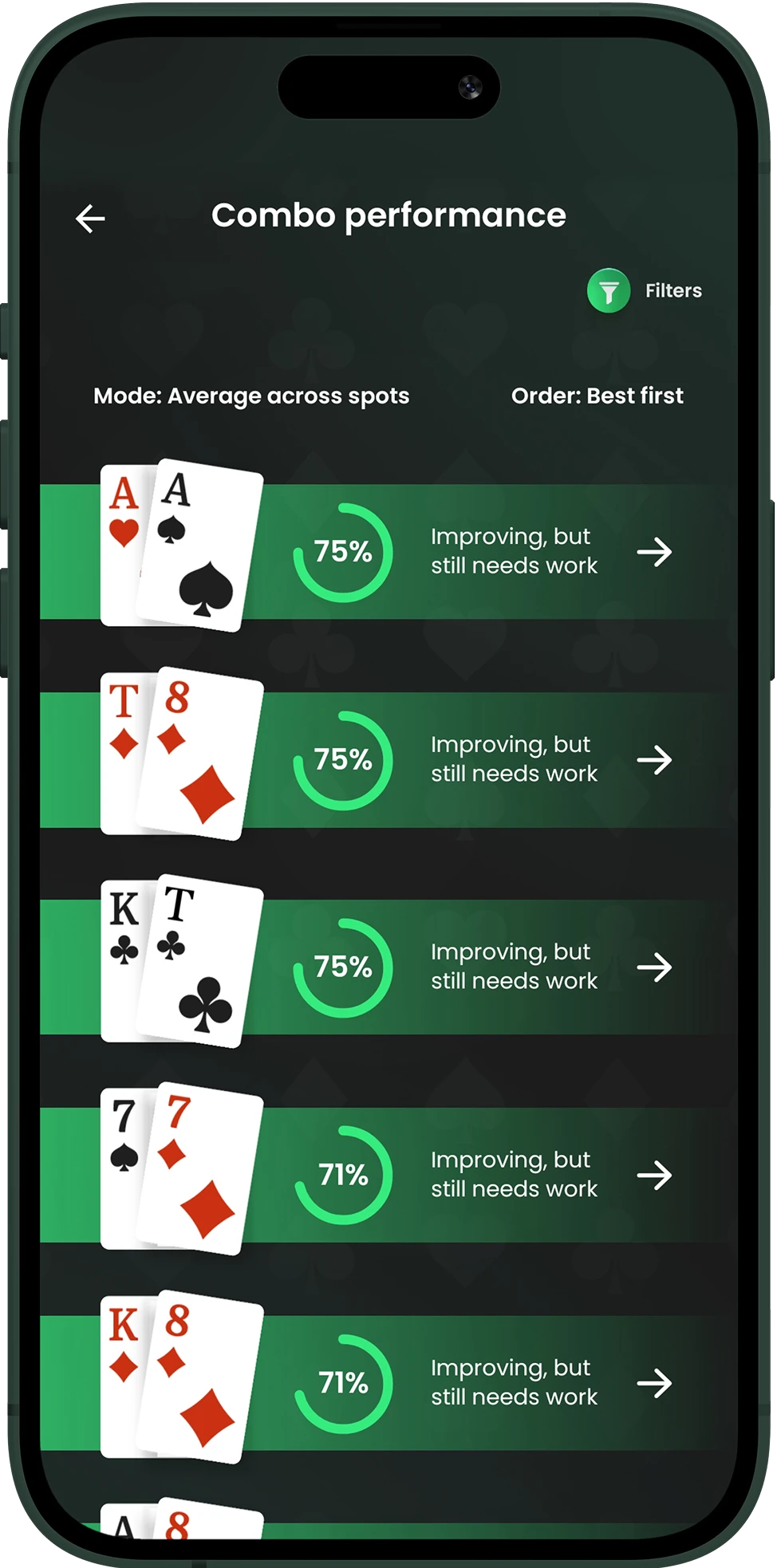
Poker Skill vs Luck FAQ
Empezar a entrenar
Develop the Skill Side of Poker with PreflopAI
Download PreflopAI and start building systematic preflop skill with AI-powered training.