
Por qué sigues perdiendo en poker a pesar de intentar mejorar
La verdad frustrante: la mayoría intenta mejorar pero estudia lo incorrecto. Las pérdidas continúan porque el problema real está escondido a plena vista.
Empezar a entrenarThe Study Paradox: Why Playing More Doesn't Help
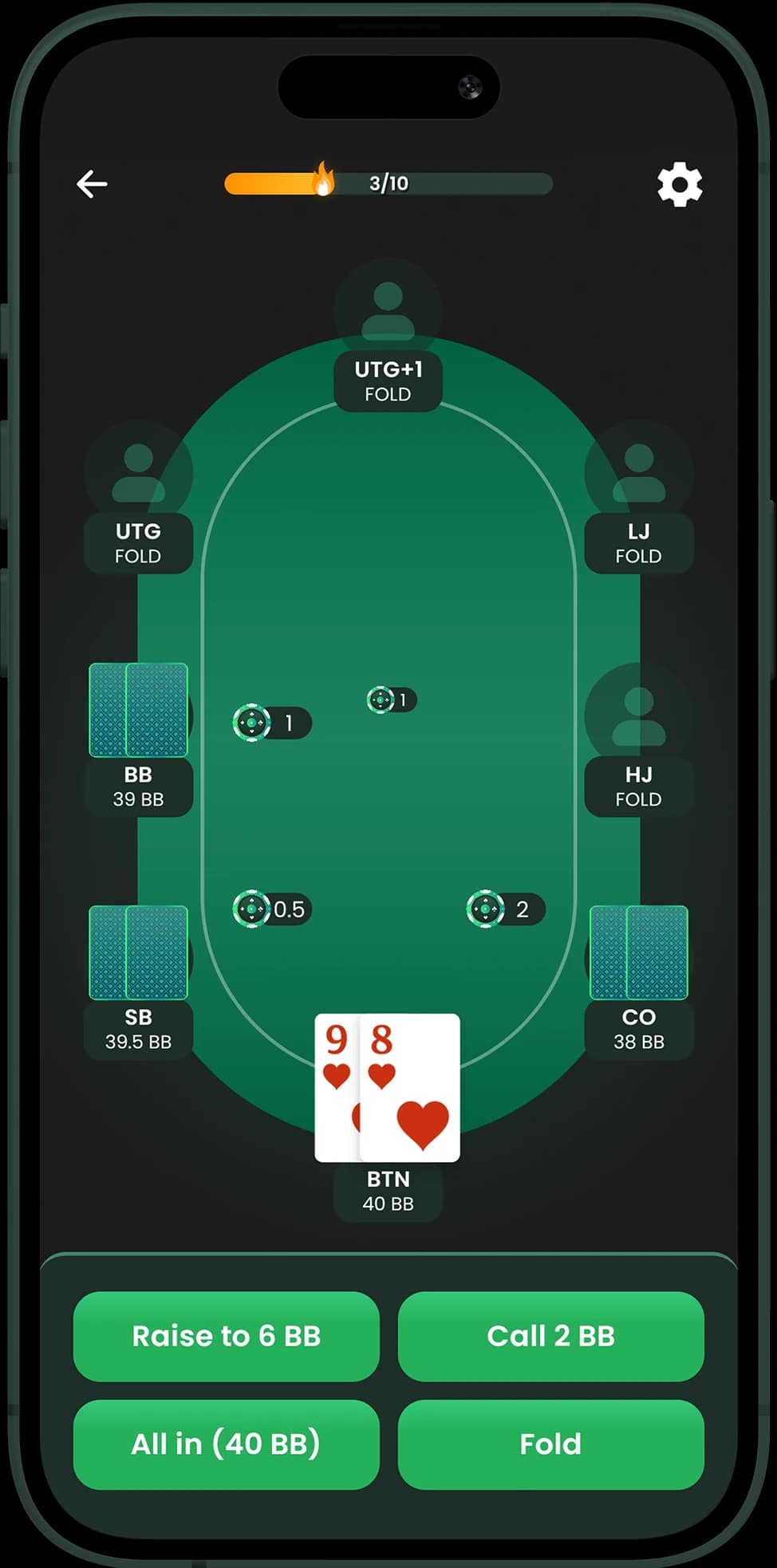
Most players think the solution to losing is playing more hands. It isn't. Playing more hands without structured feedback just reinforces whatever you're already doing — including the mistakes. If you've been playing poker for a year and still losing at the same rate, more hands won't fix it. You need to identify the specific decisions that cost you money and deliberately practice the correct ones. Volume without direction is how losing players stay losing players.
Empezar a entrenar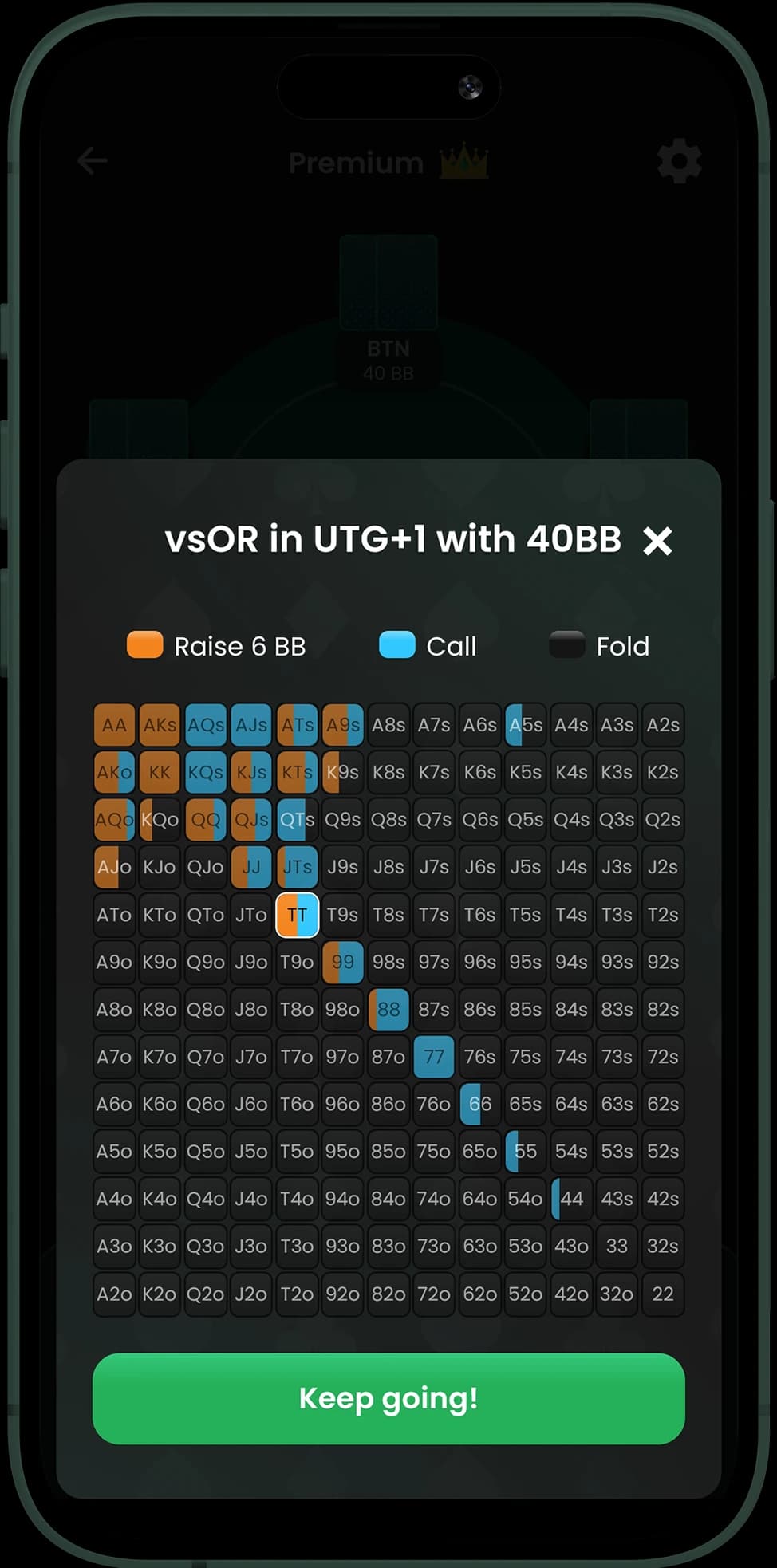
The Postflop Trap: Why You're Studying the Wrong Street
Chasing complexity while ignoring the fundamentals
When players decide to study poker, they usually gravitate toward exciting postflop concepts: bluffing, river decisions, reading tells. These are fascinating topics. They're also the wrong place to start. Preflop mistakes cost more money than postflop mistakes because they happen in 100% of hands. Players who plug their preflop leaks find that postflop decisions become dramatically easier — because they're entering pots with better hands from better positions.
You Don't Know What You Don't Know
The invisible leaks nobody tells you about
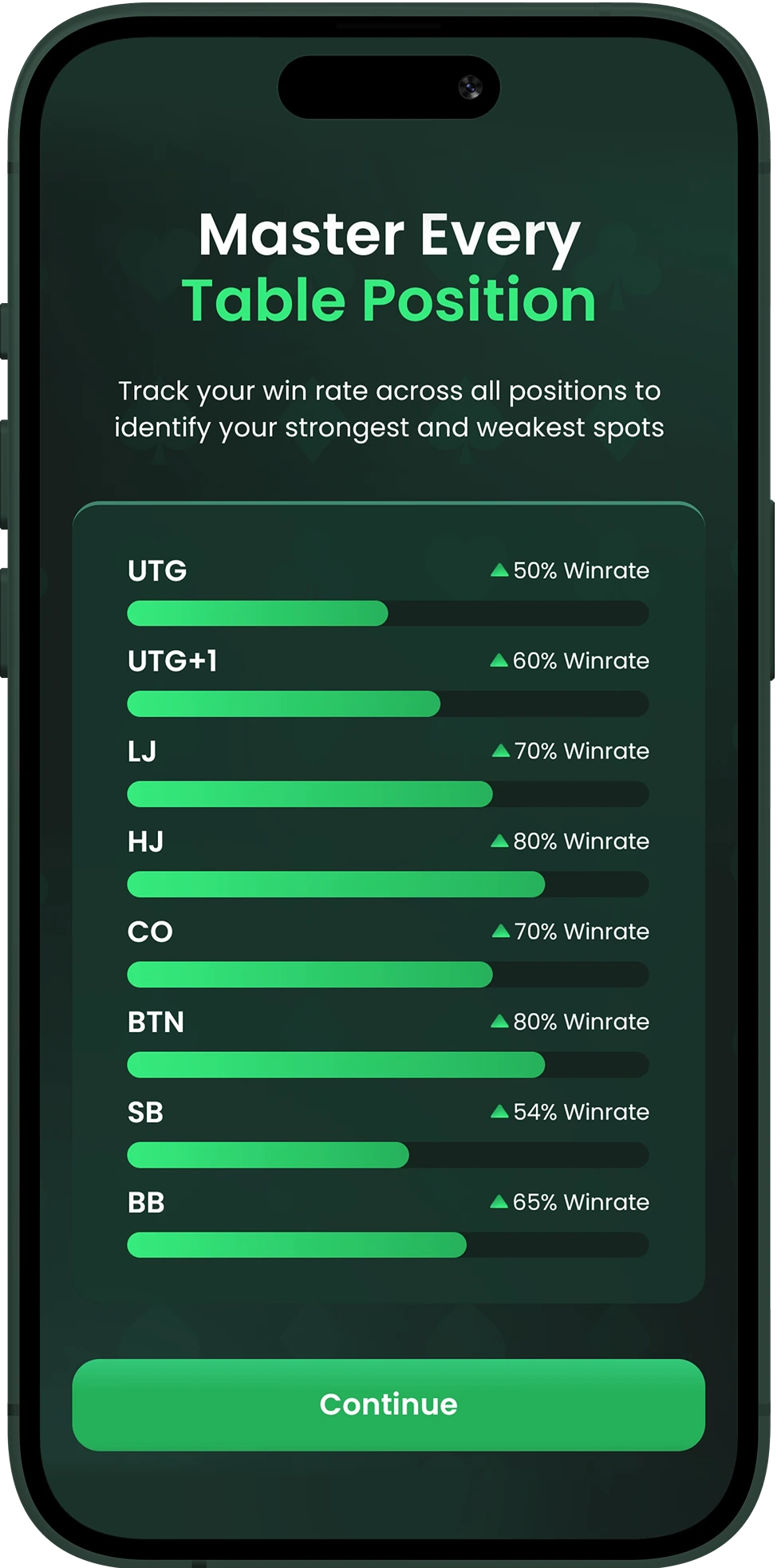
The most dangerous poker mistakes are the ones you don't know you're making. Playing KJo from UTG feels fine — it's a king and a jack. Limping with suited connectors feels fine — they have potential. Calling a 3-bet with TT from out of position feels fine — it's a pair of tens. Each of these feels reasonable in the moment. Each of them is, in the right context, a significant mistake. Without a reference point for what correct play looks like, you can't see your own leaks.
Results vs Decisions: Why You Can Win and Still Be Losing
Running good is not the same as playing well
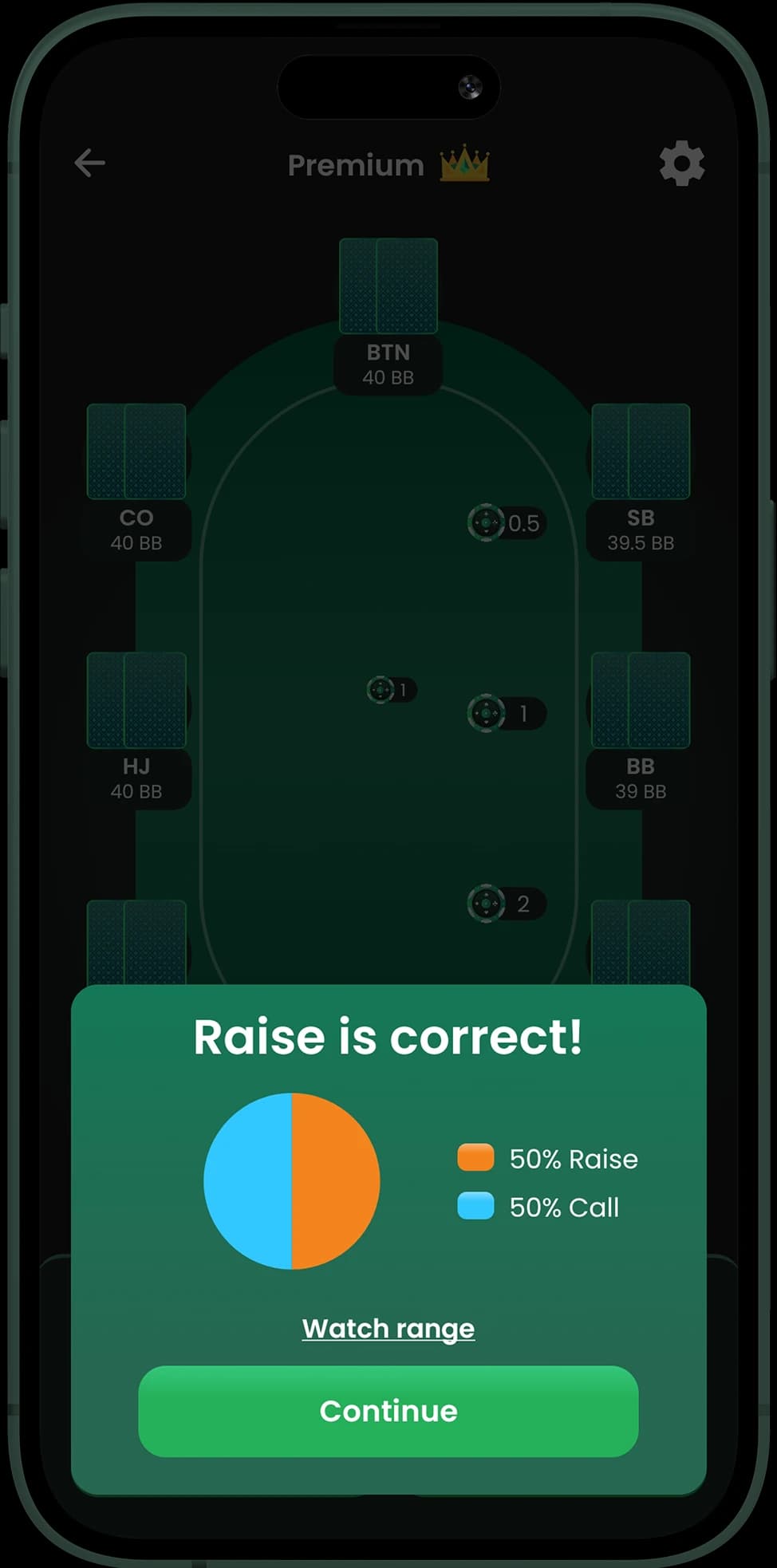
Short-term poker results are unreliable indicators of decision quality. You can make terrible decisions and win sessions due to variance. You can make excellent decisions and lose sessions due to bad beats. This makes self-diagnosis nearly impossible without data. Players who run hot for a few weeks often conclude their strategy is fine — until the variance corrects and they realize the losses were always there, just hidden. Tracking your decision accuracy, not your results, is the only honest way to improve.
The Pattern That Explains Most Chronic Losses
What the data says about why players stay stuck
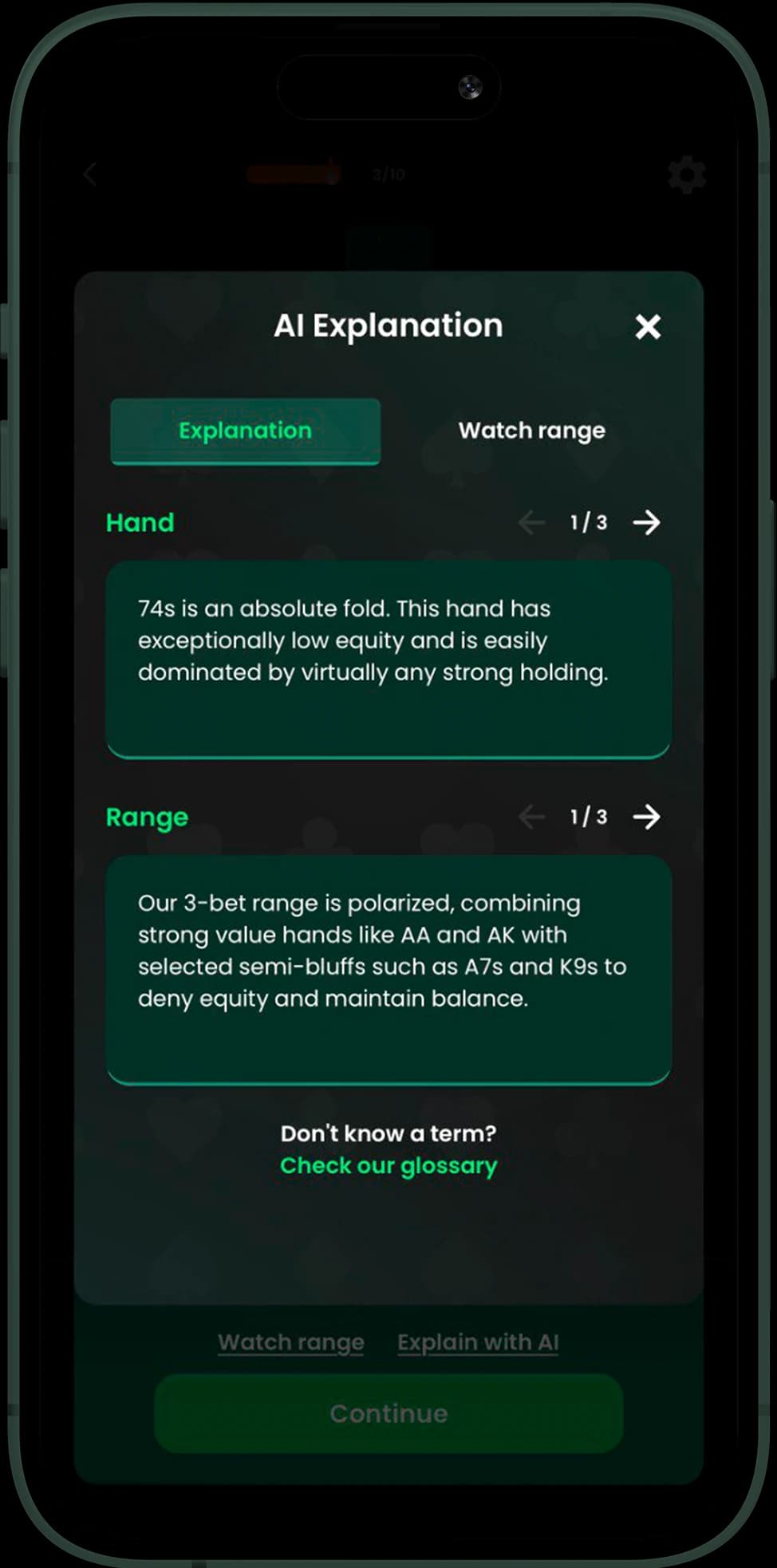
The pattern that explains most chronic losing is this: a player has specific preflop range leaks — hands they play that they shouldn't, or shouldn't play from certain positions — and they never receive systematic feedback to correct them. They feel the losses, blame variance or bad luck, and continue the same pattern. The solution isn't more experience. It's structured diagnosis of exactly which preflop decisions are negative EV, followed by deliberate practice of the correct ranges.
Empezar a entrenar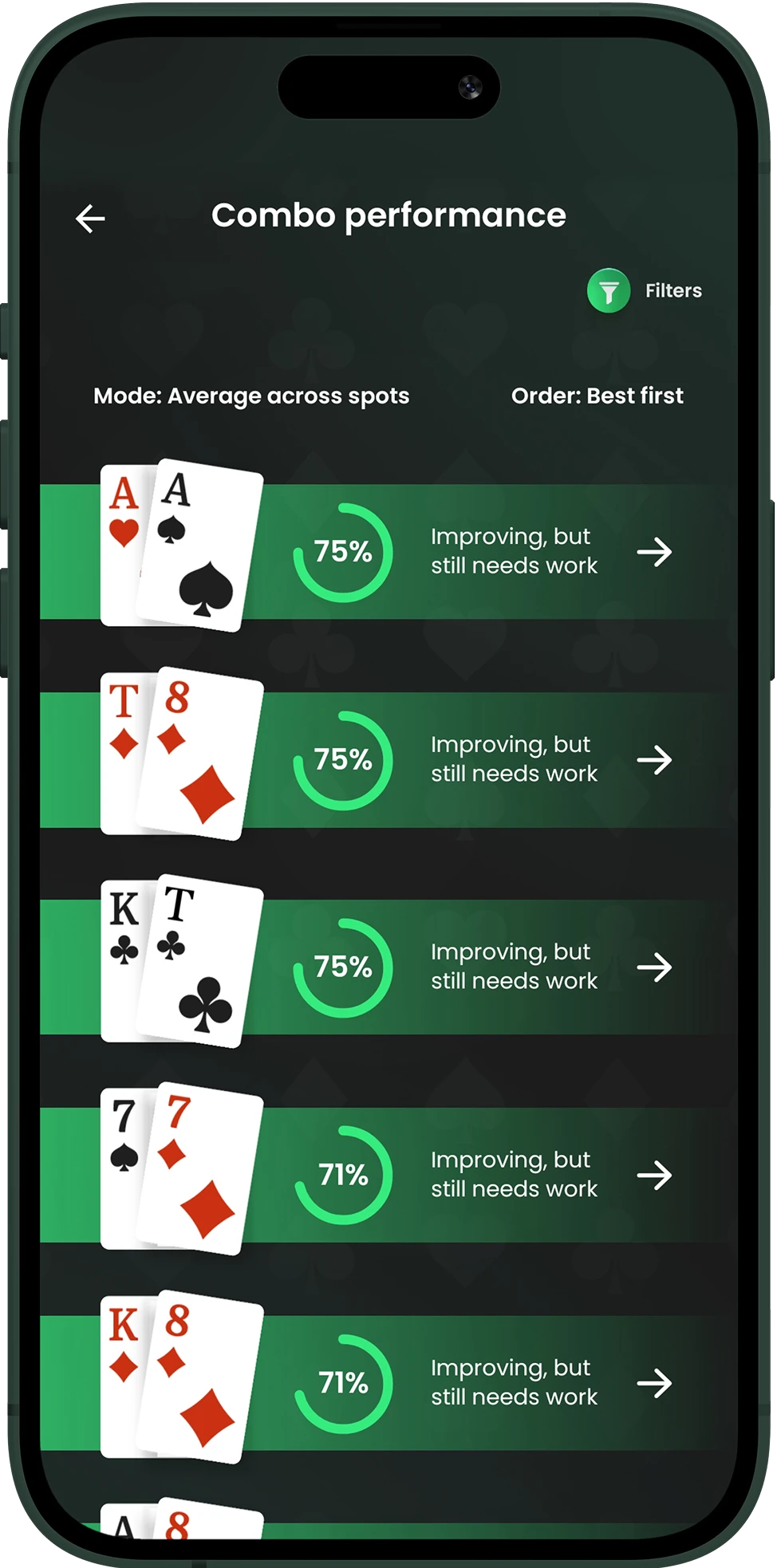
Why You Keep Losing FAQ
Empezar a entrenar
Diagnostica por qué pierdes
Download PreflopAI and let the AI find your specific preflop leaks with personalized training.