
Improving Your Poker Win Rate: What Actually Works vs What Doesn't
Win rate improvement is achievable but requires targeting the right things. Most players focus on the wrong areas. Here's what the data says actually works.
Start trainingWhat Doesn't Move Win Rate (As Much as You Think)
Studying advanced solver output before fixing preflop basics produces limited improvement because the advanced concepts assume a solid preflop foundation. Watching training videos without active recall produces minimal behavior change at the table. Playing more hands without structured feedback reinforces existing patterns — both good and bad. Trying to exploit specific opponents without reliable sample sizes produces inconsistent results. None of these are worthless, but all of them are lower ROI than systematic preflop range training for the average recreational player.
Start training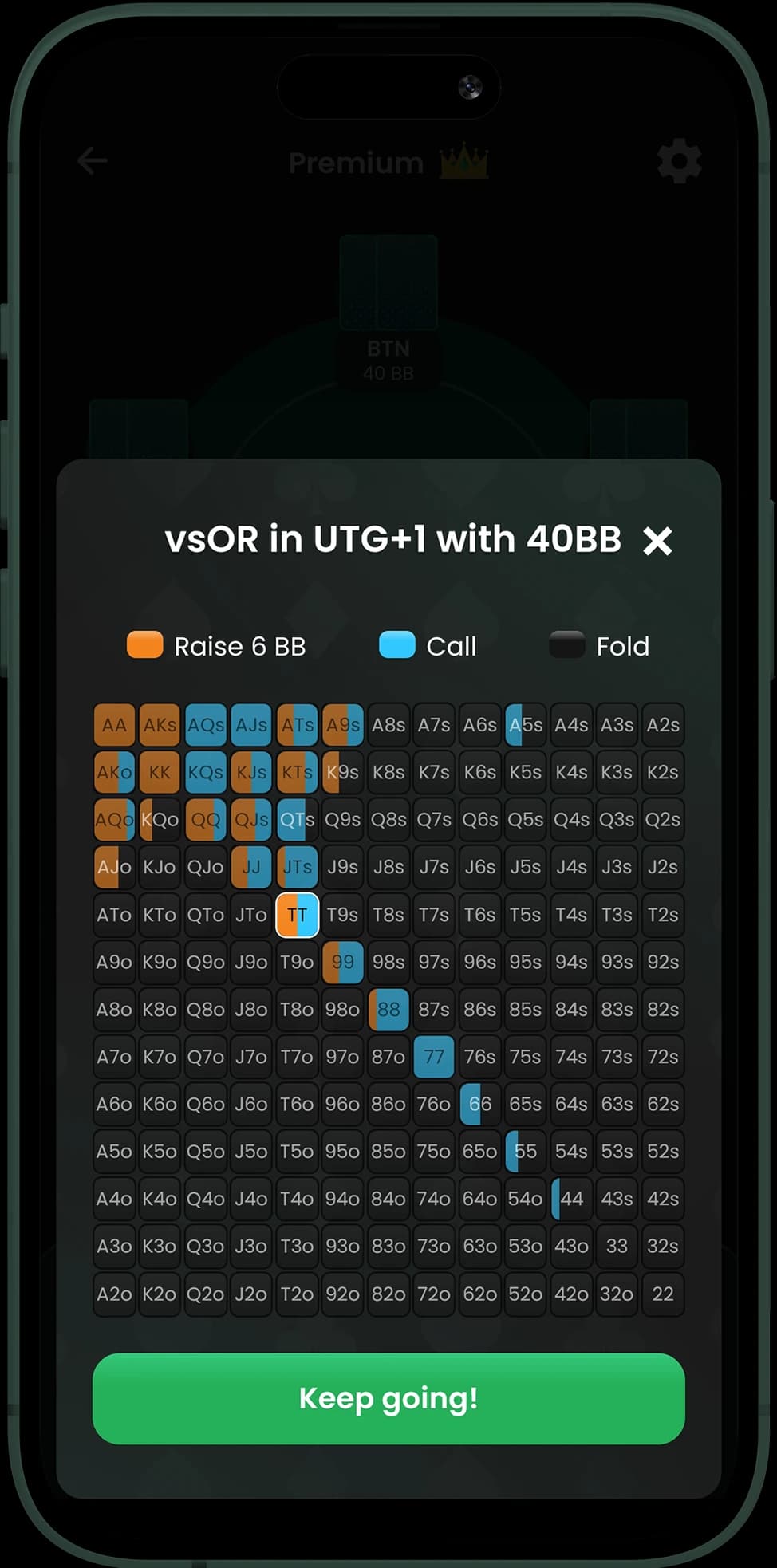
What Actually Moves Win Rate: The Evidence
The study methods with documented win rate improvement
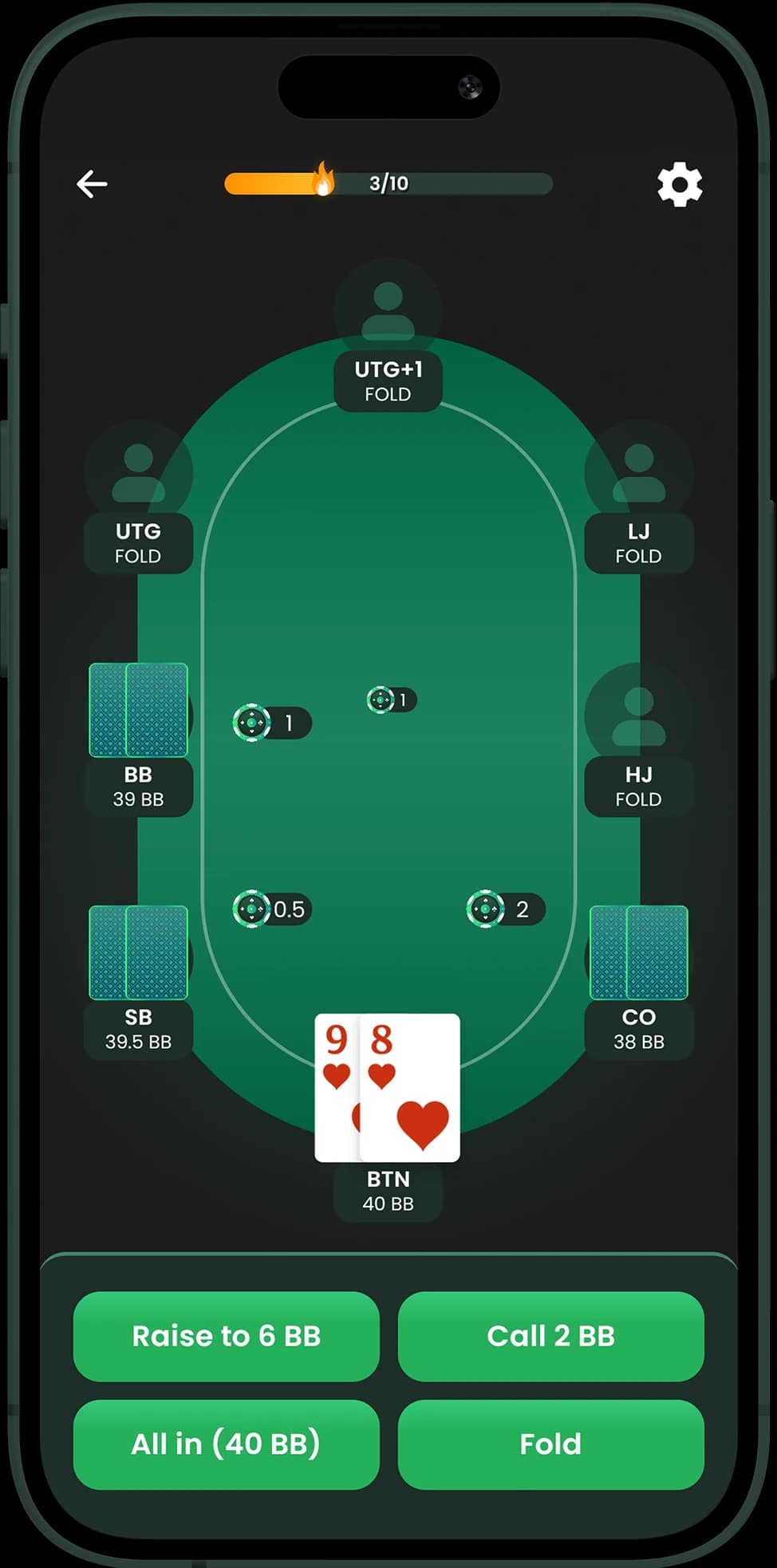
Systematic preflop range training with immediate feedback is the highest-ROI win rate improvement activity for recreational players. The evidence is consistent: players who deliberately practice position-specific ranges show measurable improvement faster than any other method. Why? Because preflop decisions occur every hand (highest frequency), they have direct downstream effects on postflop EV (high leverage), and correct ranges are precisely defined and learnable (high teachability). This combination makes preflop the most improvable and most impactful area of the game.
The Compound Effect: How Preflop Improvement Multiplies
Why fixing preflop improves everything else simultaneously
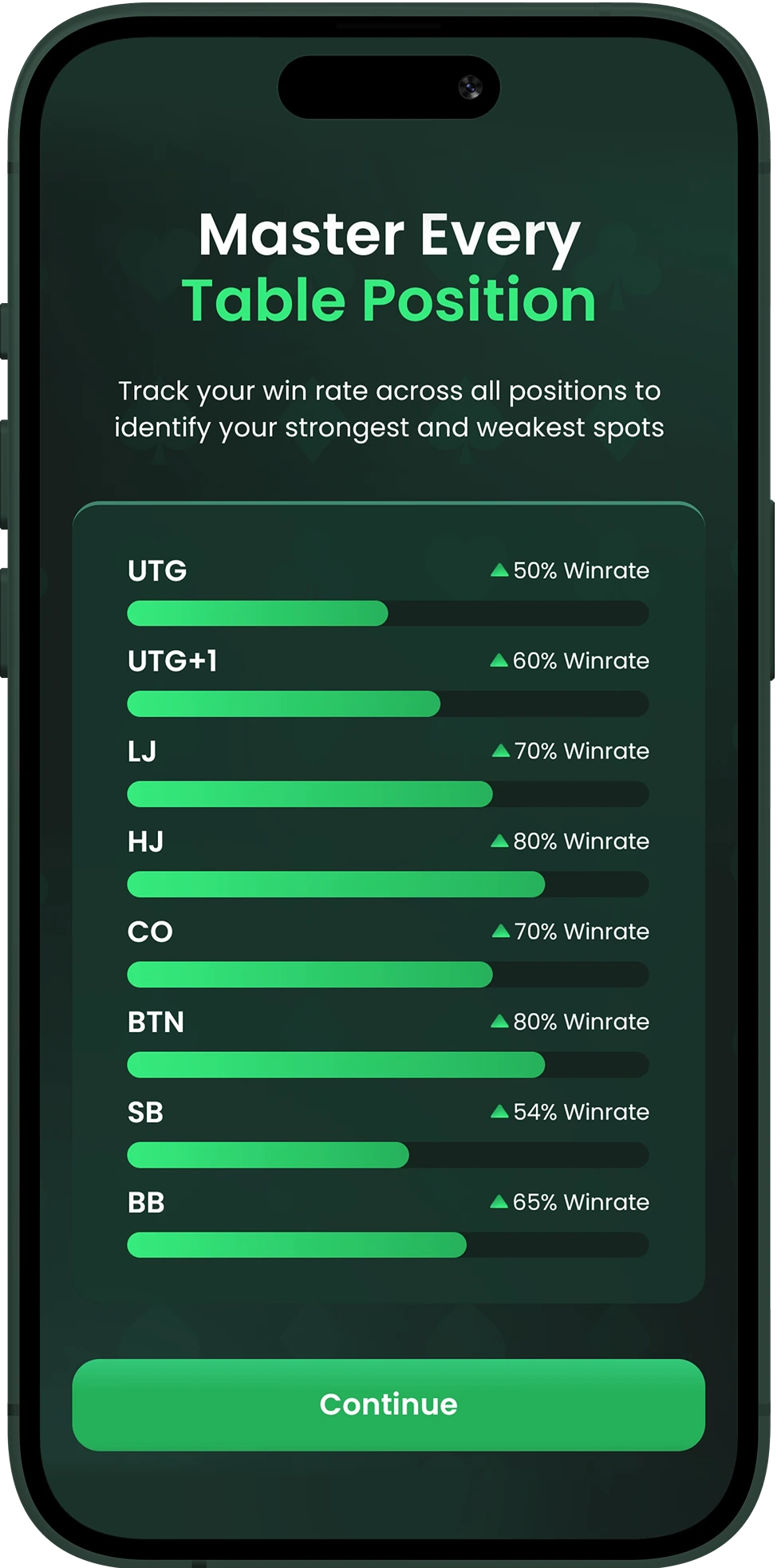
When you tighten your UTG range, you enter fewer tough spots out of position. When you 3-bet more correctly, you build larger pots with your best hands. When you fold the right marginal hands, you avoid the cascading losses from playing dominated hands through multiple streets. Each preflop improvement doesn't just help preflop — it changes the quality of situations you're in postflop. Players who fix preflop often report that the game 'feels easier' because they're consistently in situations where correct postflop decisions are more straightforward.
Setting Win Rate Improvement Goals That Are Realistic
What to expect and over what timeline
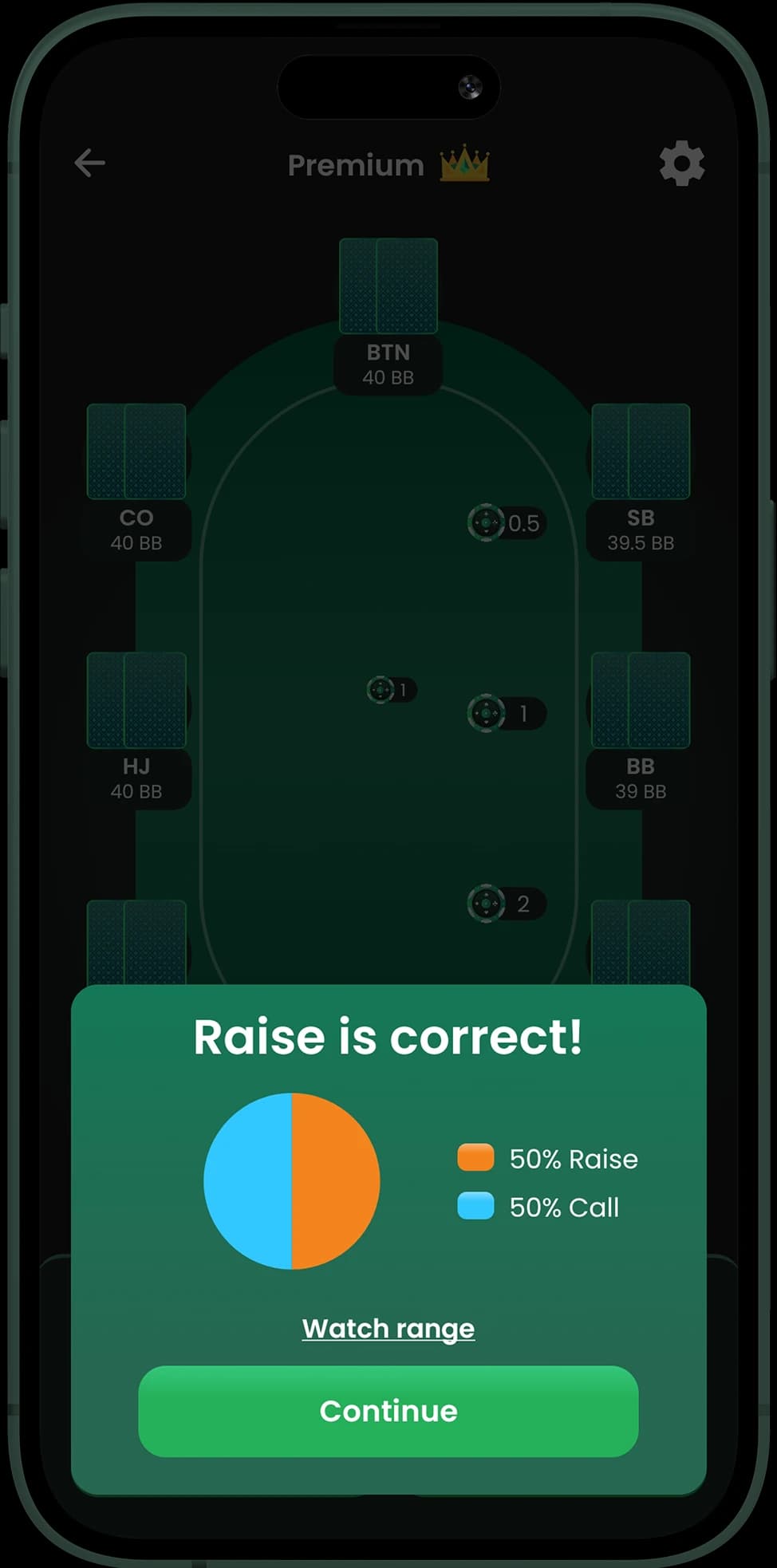
Realistic win rate improvement targets for recreational players: from -10 BB/100 to -3 to -5 BB/100 in 2-3 months of consistent daily training. From -5 BB/100 to breakeven in another 2-3 months. These aren't guaranteed timelines — they depend on study consistency, volume of hands played, and ability to implement changes under pressure. But they're realistic based on the documented improvement trajectories of players who follow systematic preflop training programs. Win rate improvement is a process, not an event.
Building the Daily Practice That Produces Win Rate Change
The 20-minute routine that moves the needle
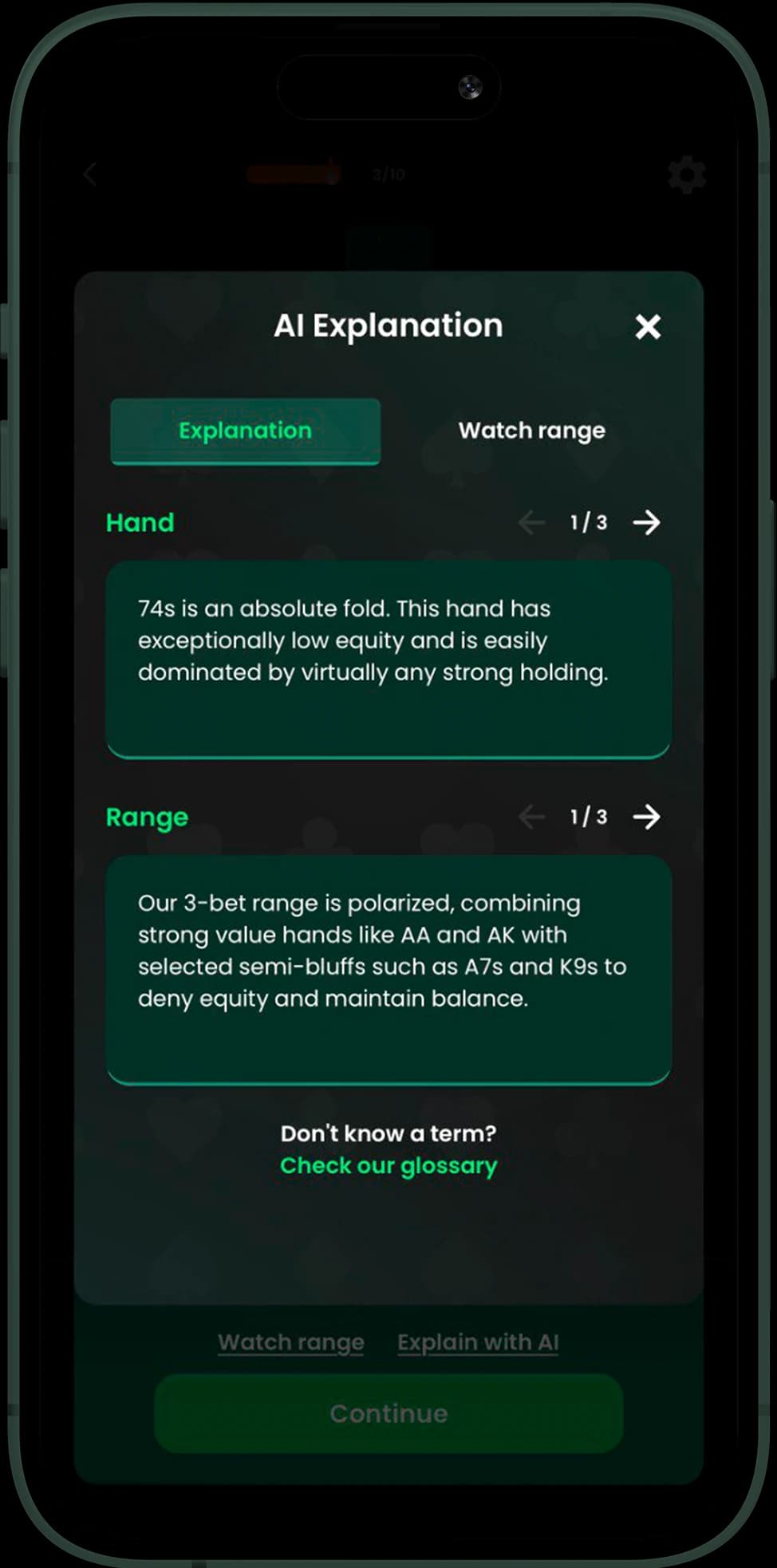
The most effective win rate improvement routine: 15 minutes of active preflop decision training daily (not reading, not watching — active decision practice with feedback), 5 minutes reviewing incorrect answers and understanding why. Done 5-6 days per week, this produces measurable range improvement in 3-4 weeks and win rate improvement signals in 2-3 months at adequate hand volume. Consistency at this intensity beats occasional long study sessions in every study methodology that's been measured for long-term retention.
Start training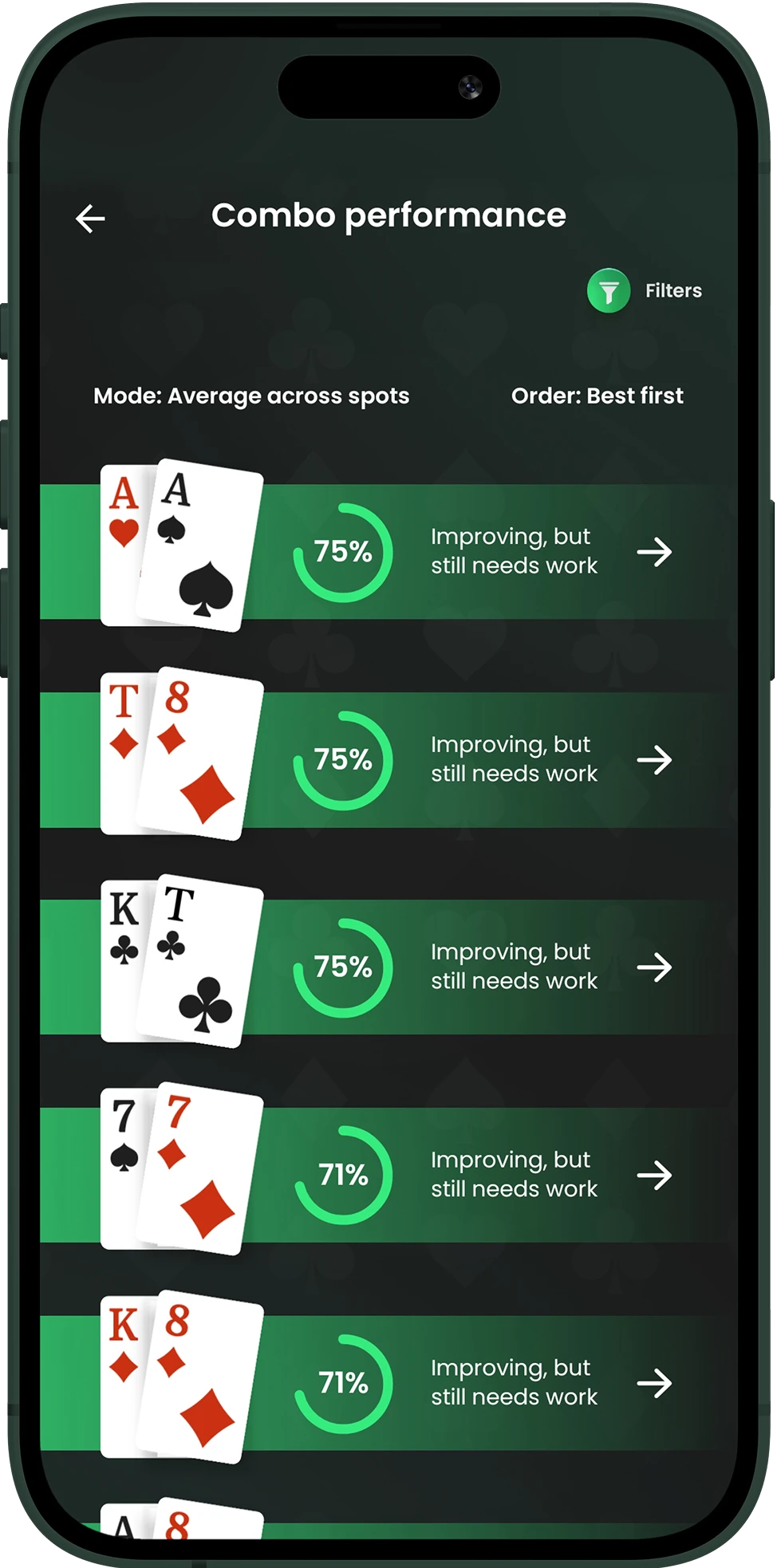
Win Rate Improvement FAQ
Start training
Start Moving Your Win Rate in the Right Direction
Download PreflopAI and implement the daily training routine proven to improve poker win rates.